As designers, how can we do the most with the least?
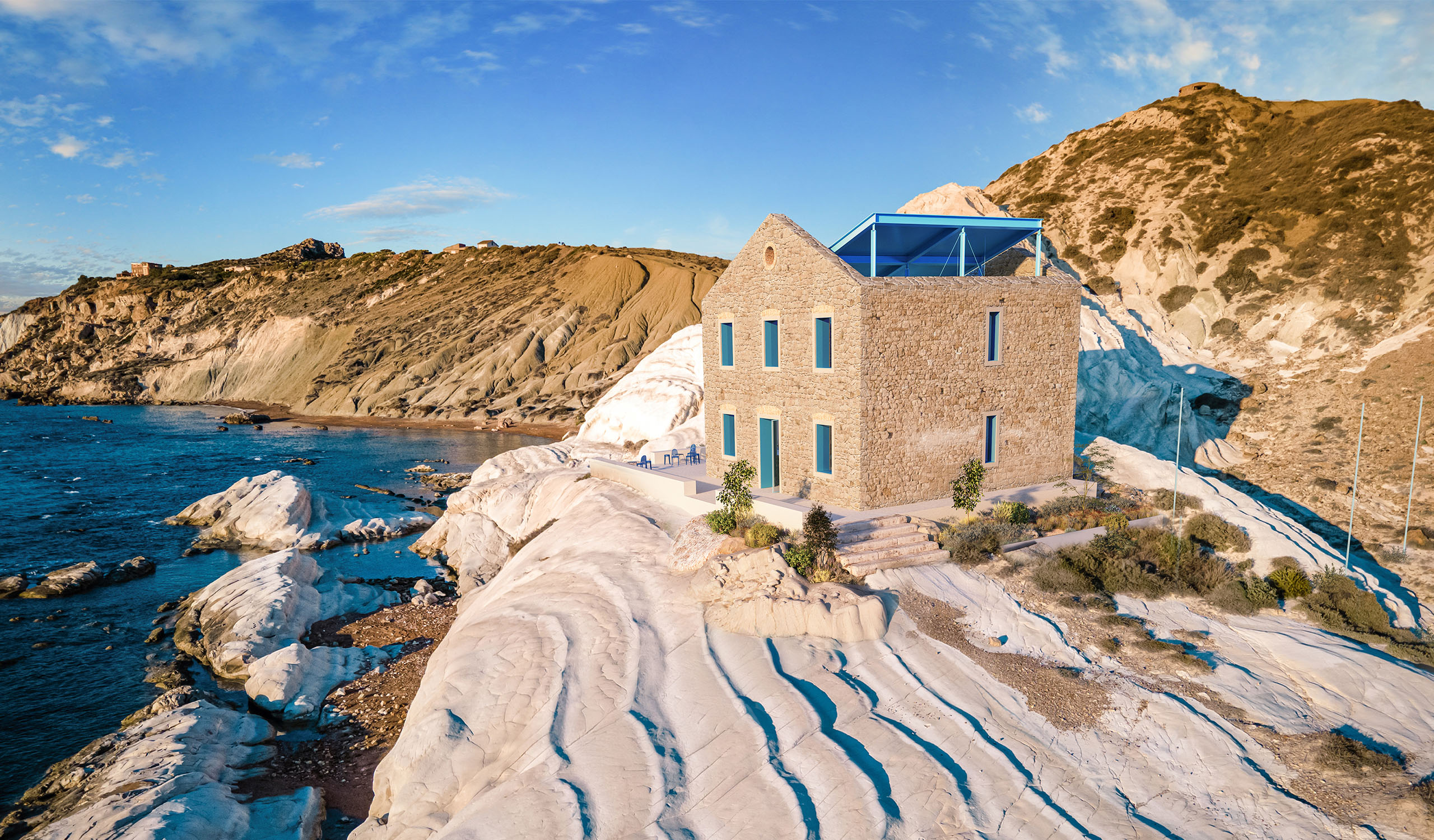
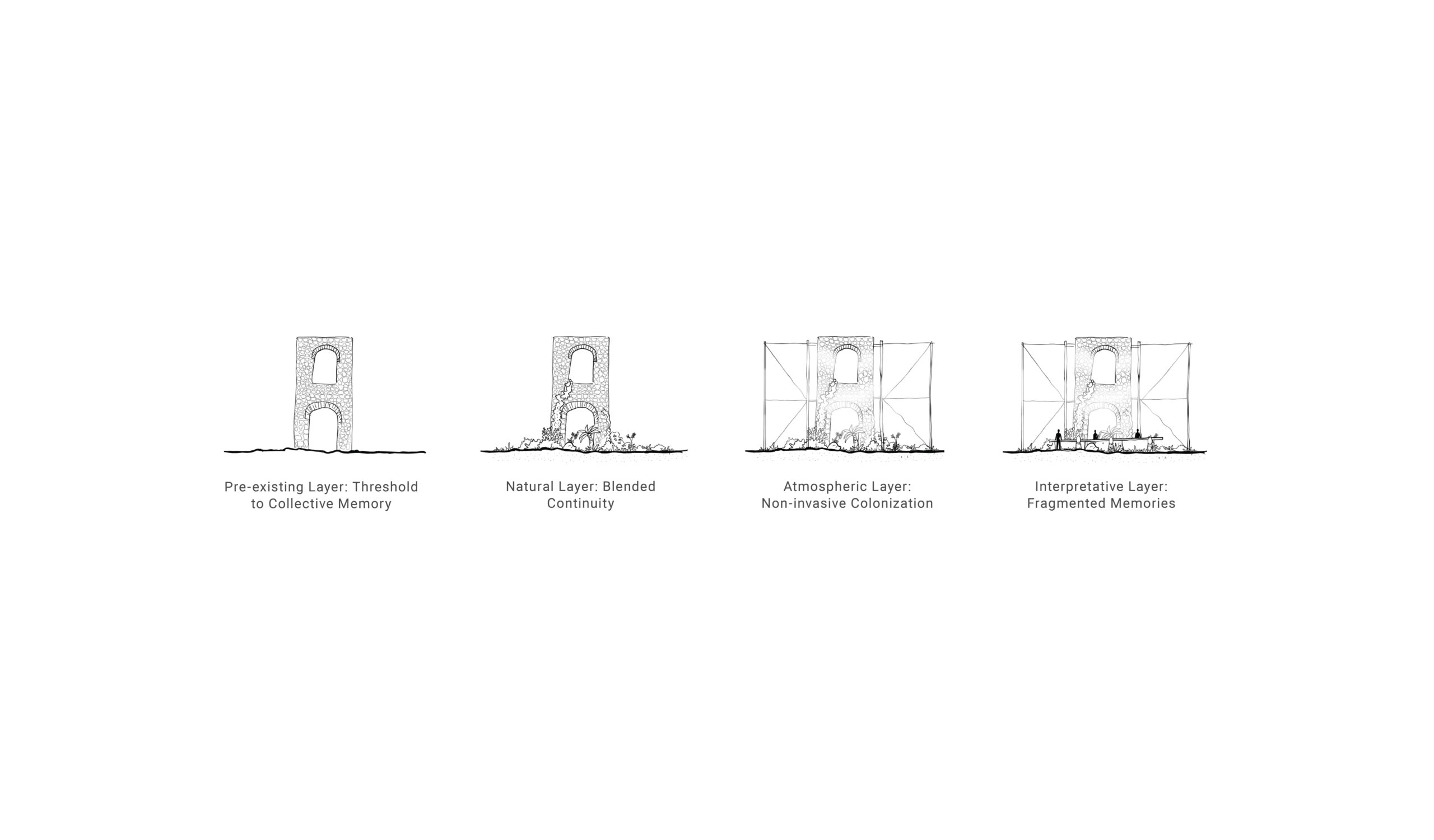
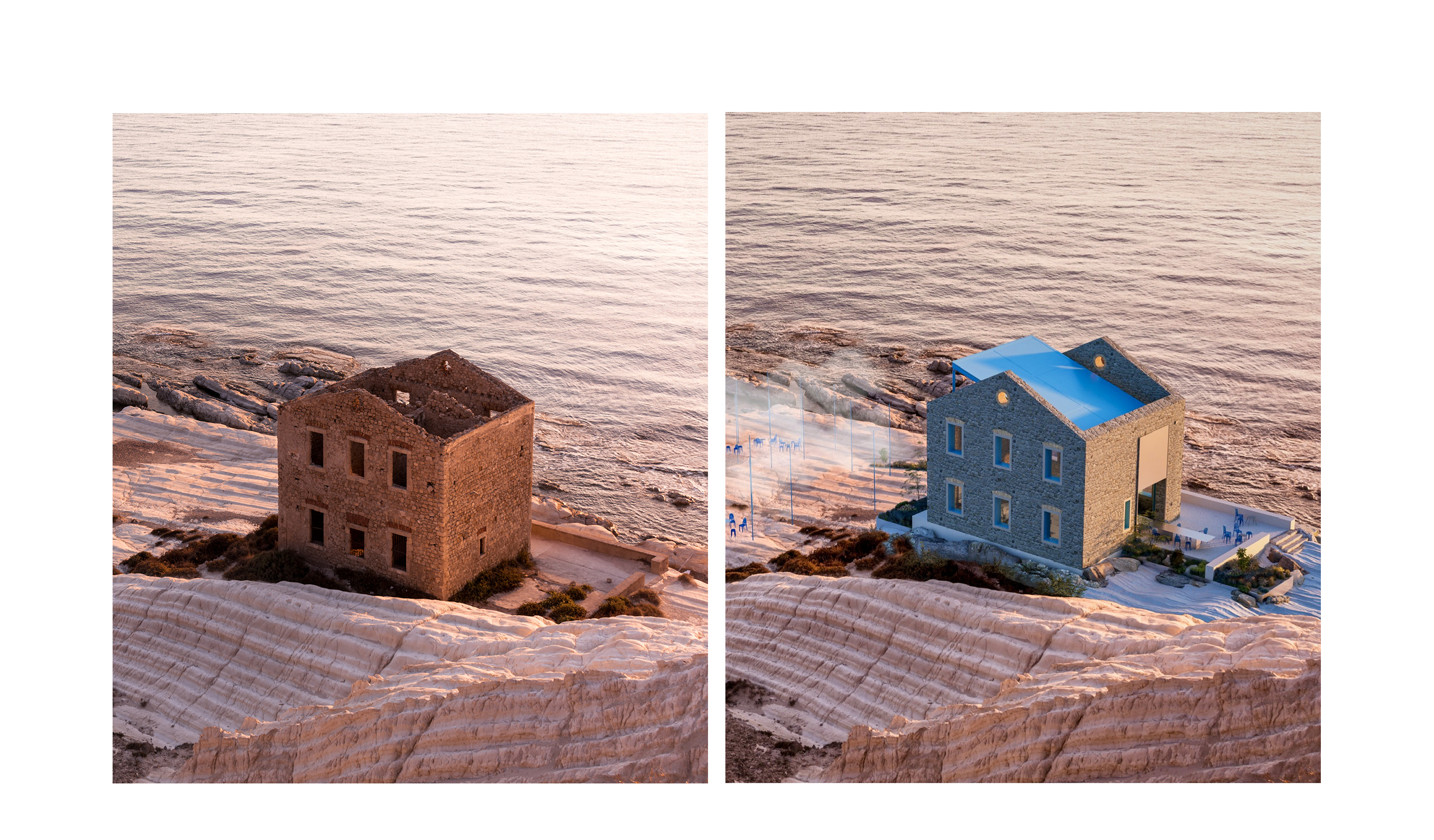
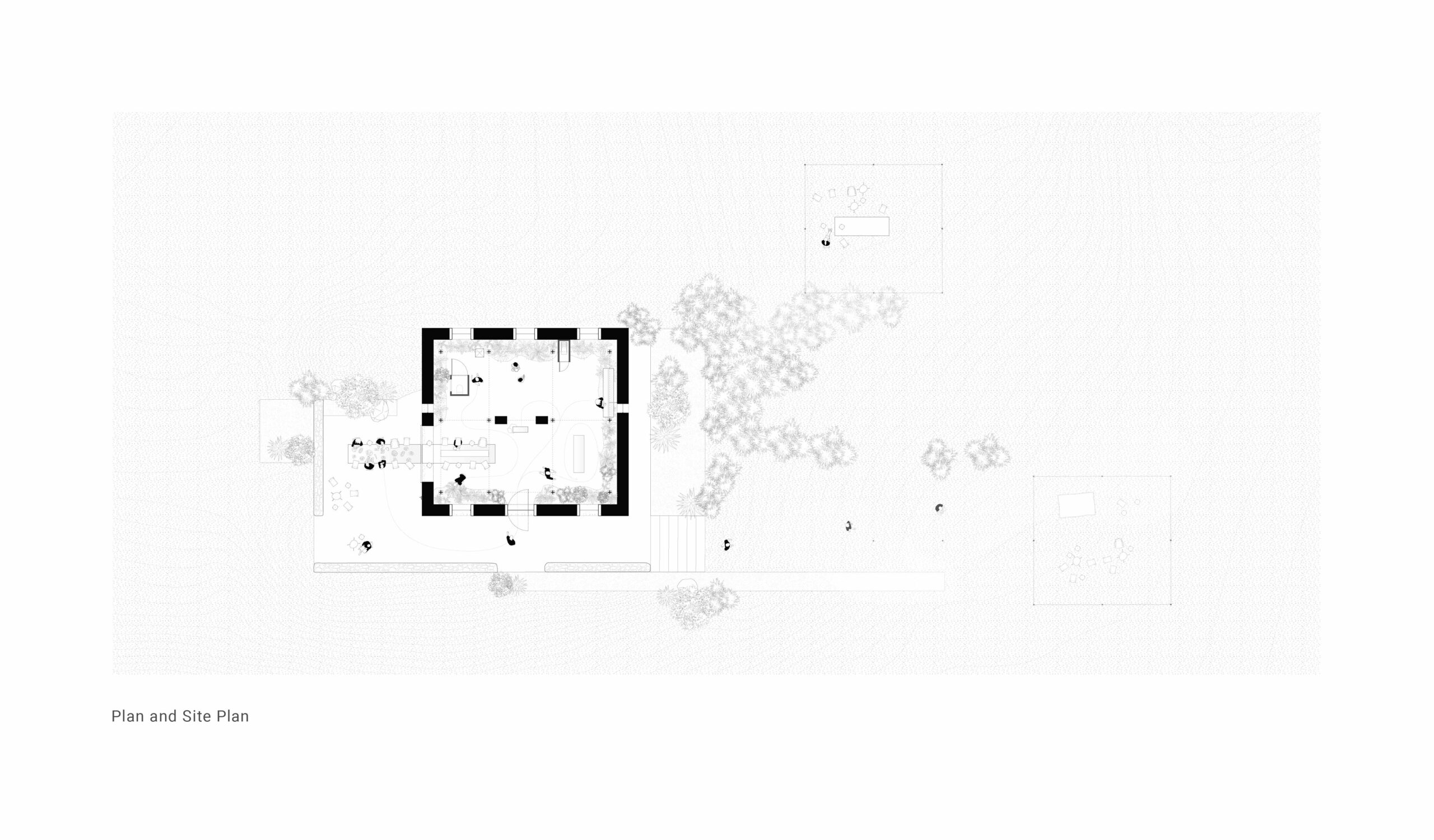
In the protected natural and historical area of Punta Bianca in Sicily, the design was based on three key principles: 1. To minimize any architectural interventions and changes to the landscape 2. Respect the context and identify solutions sensitive to the habitat and geography 3. Offer flexible and dynamic design solutions through very basic and easily accessible design elements, thus facilitating local community gatherings and welcoming curious and responsible visitors.
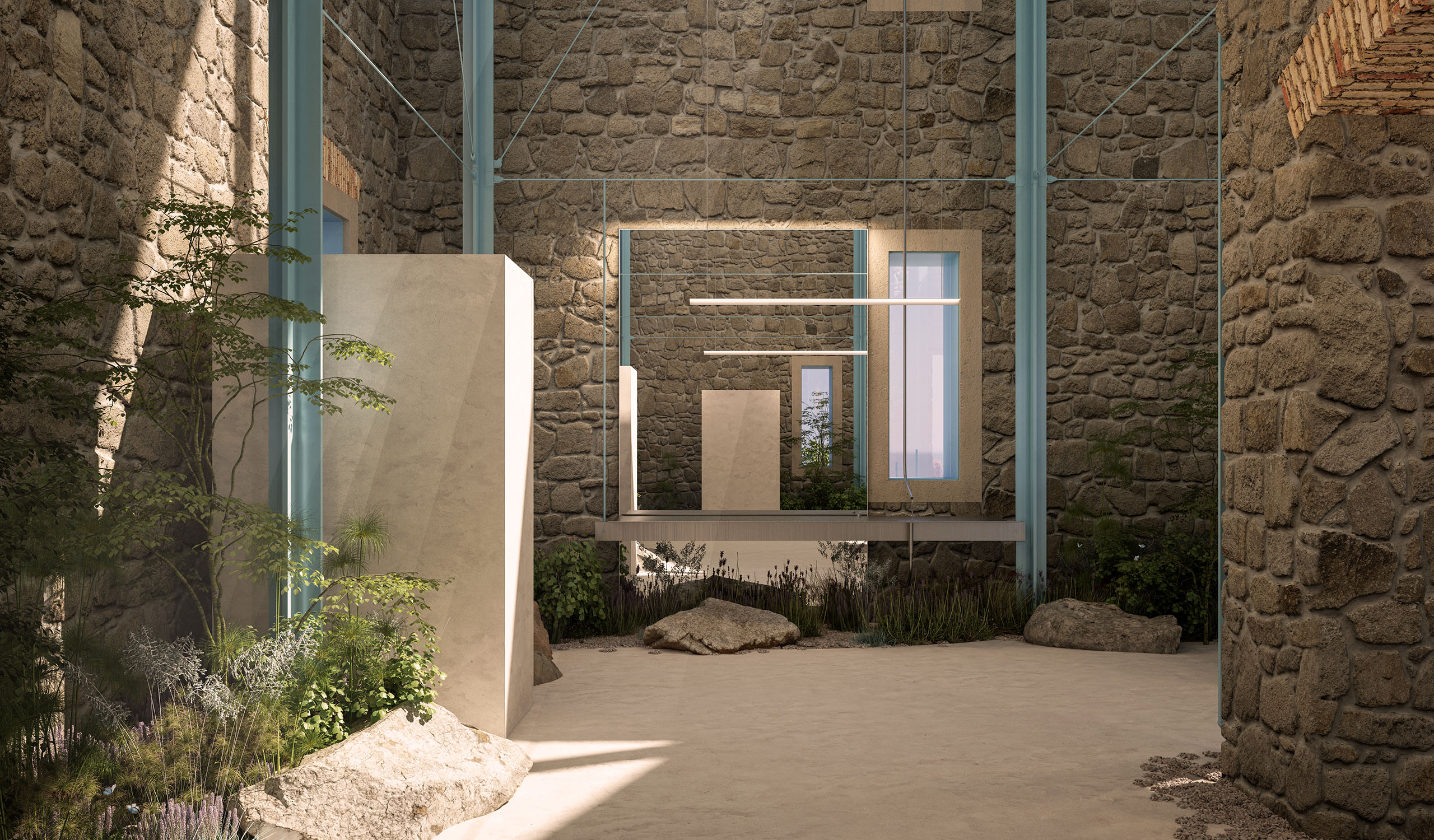
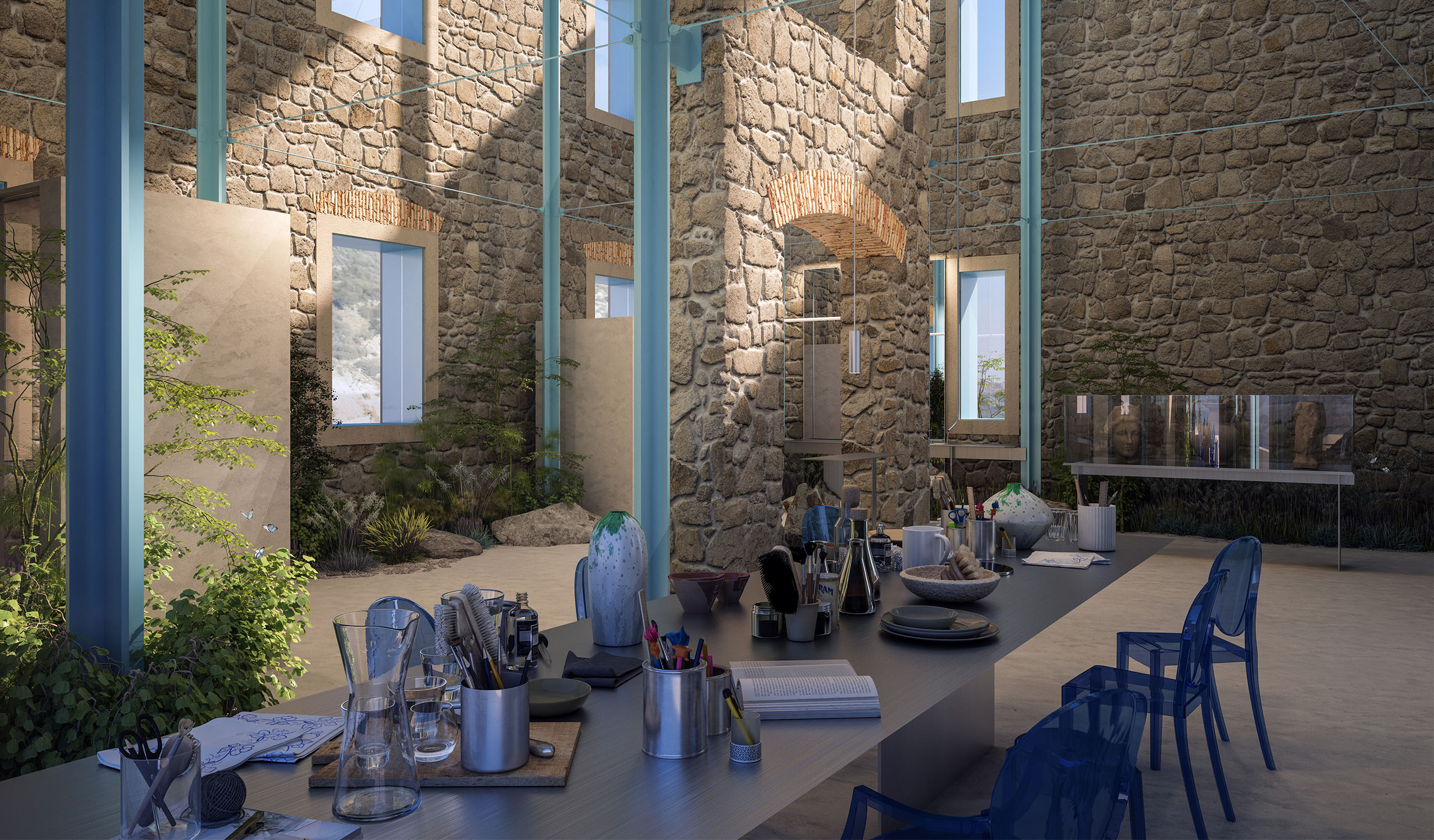
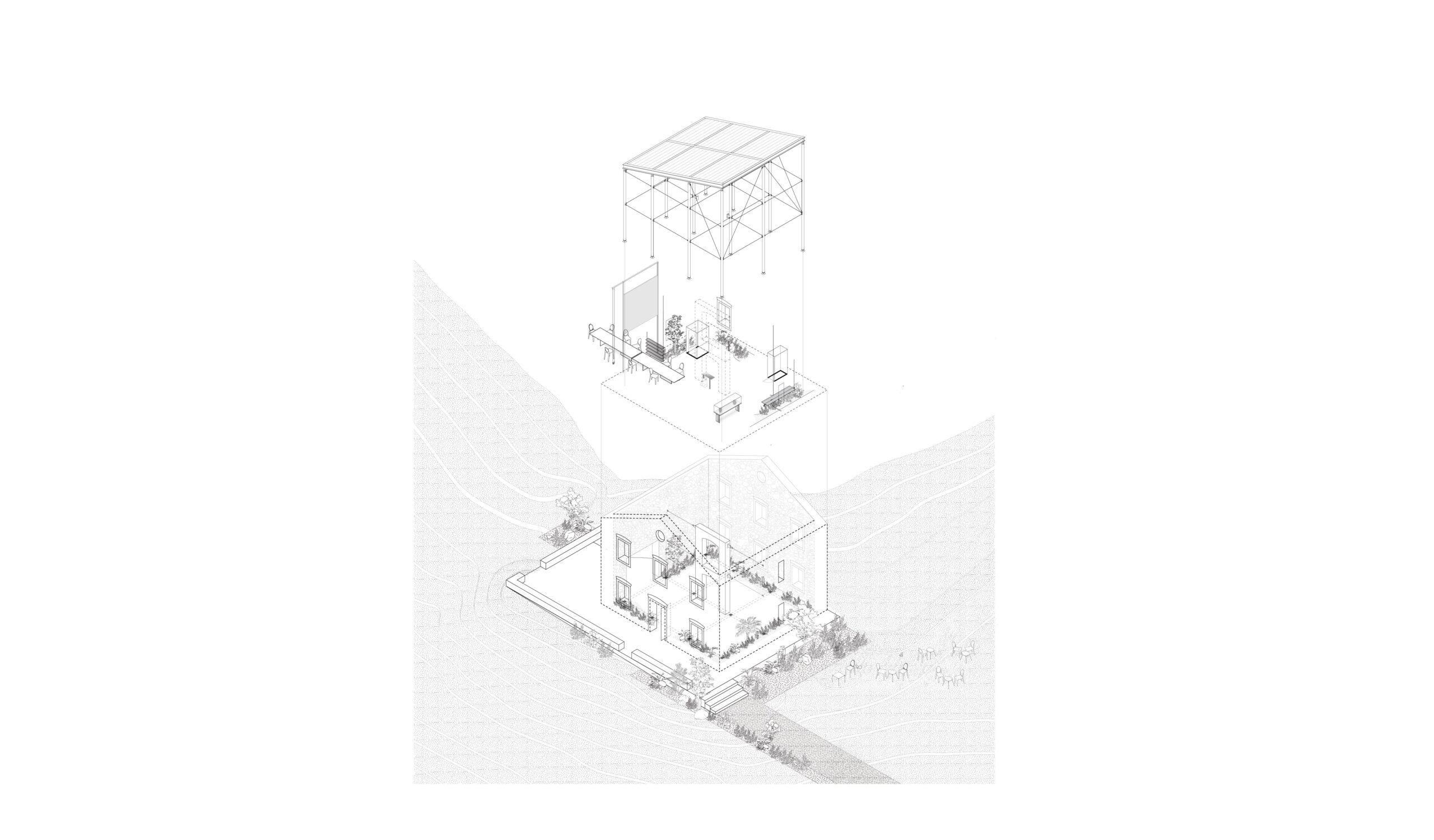
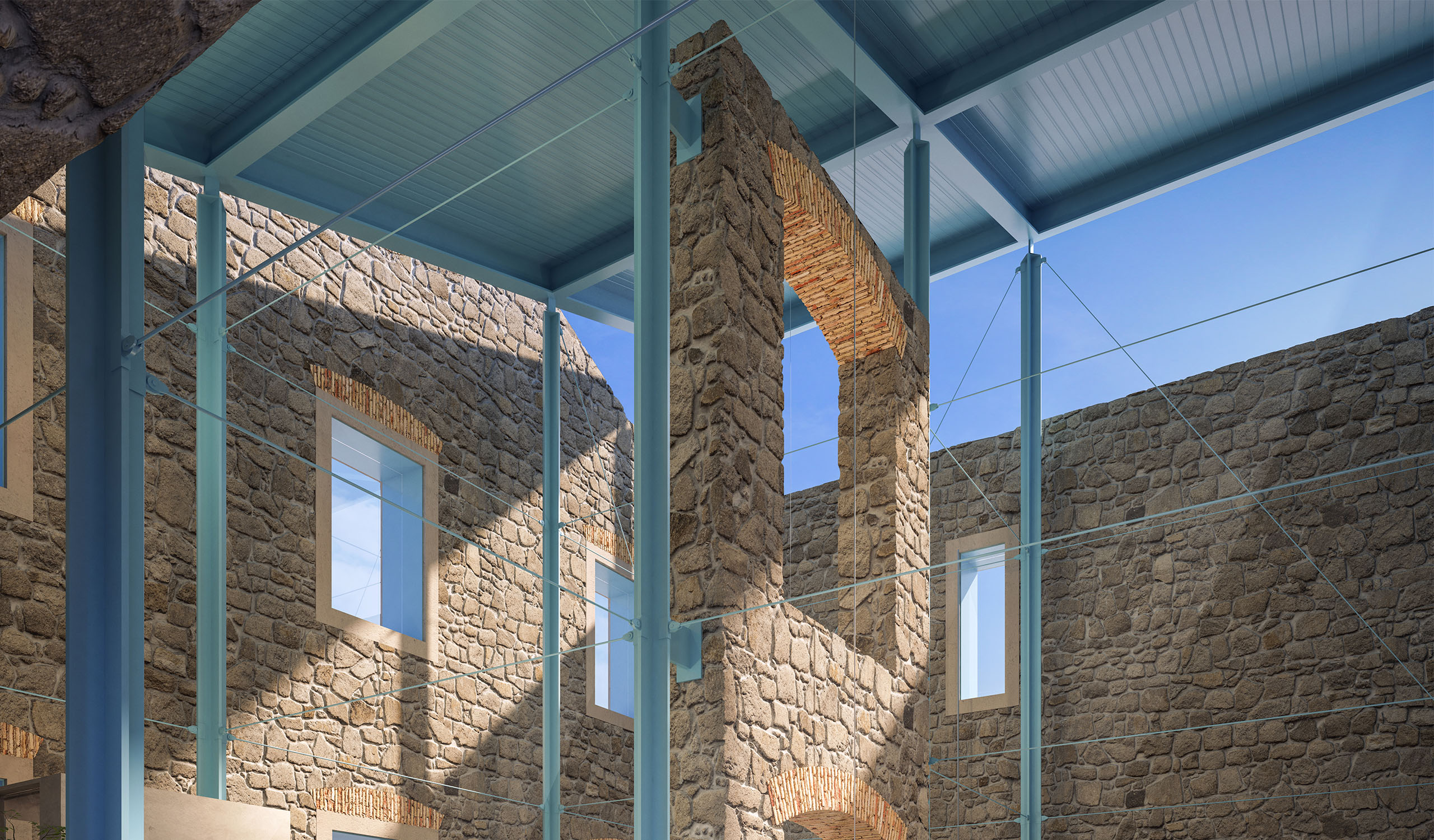
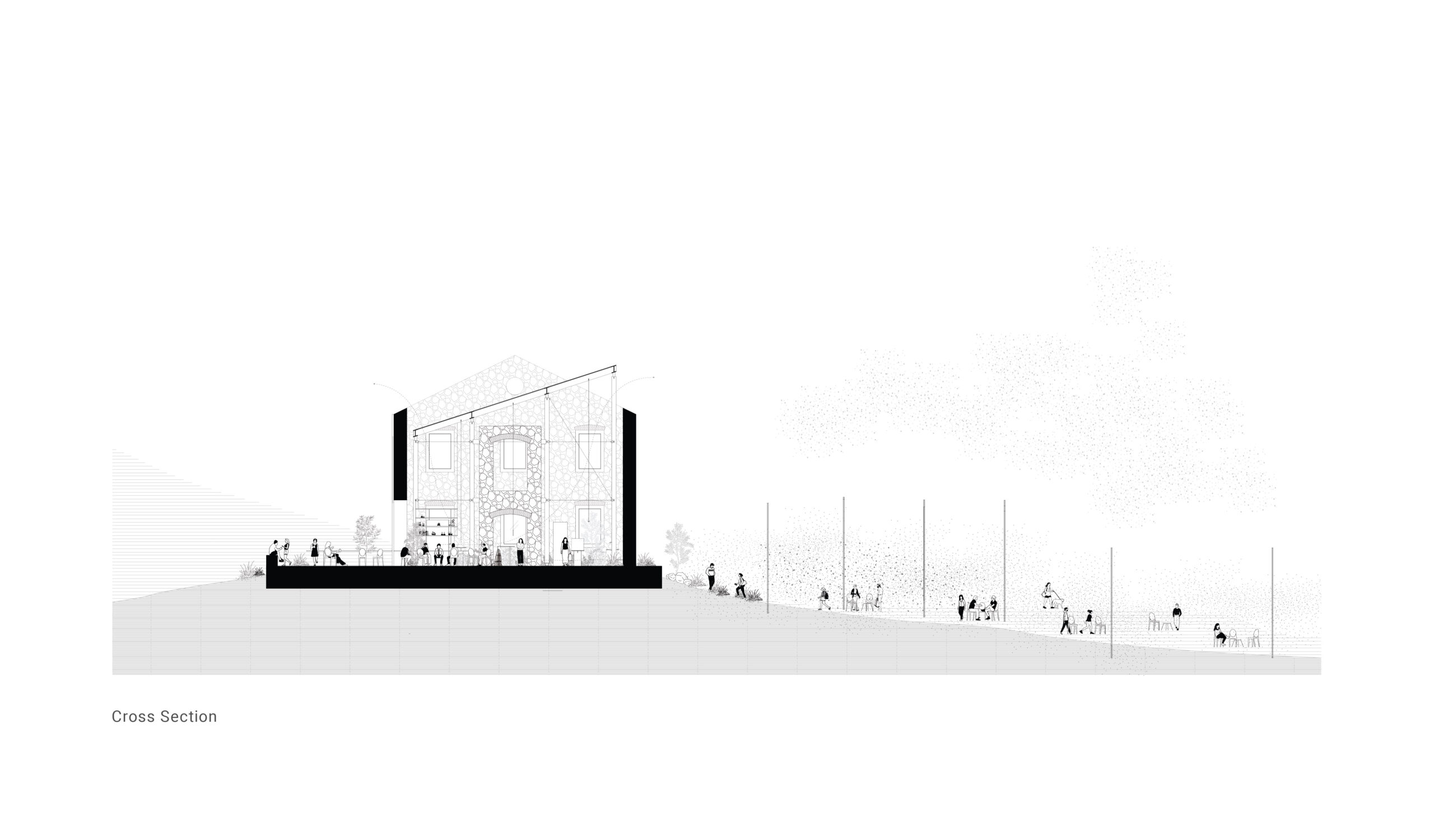
A single tectonic architectural intervention was defined in the form of a simple canopy and a number of vertical landscaping elements from steel. All design elements can be produced off-site, interventions are reversible and easily implemented. The canopy is propped up by an elegantly designed structure that operates in tension and compression, carefully offset from the walls of the heritage building so that the structural foundations do not impact the existing stone structure.
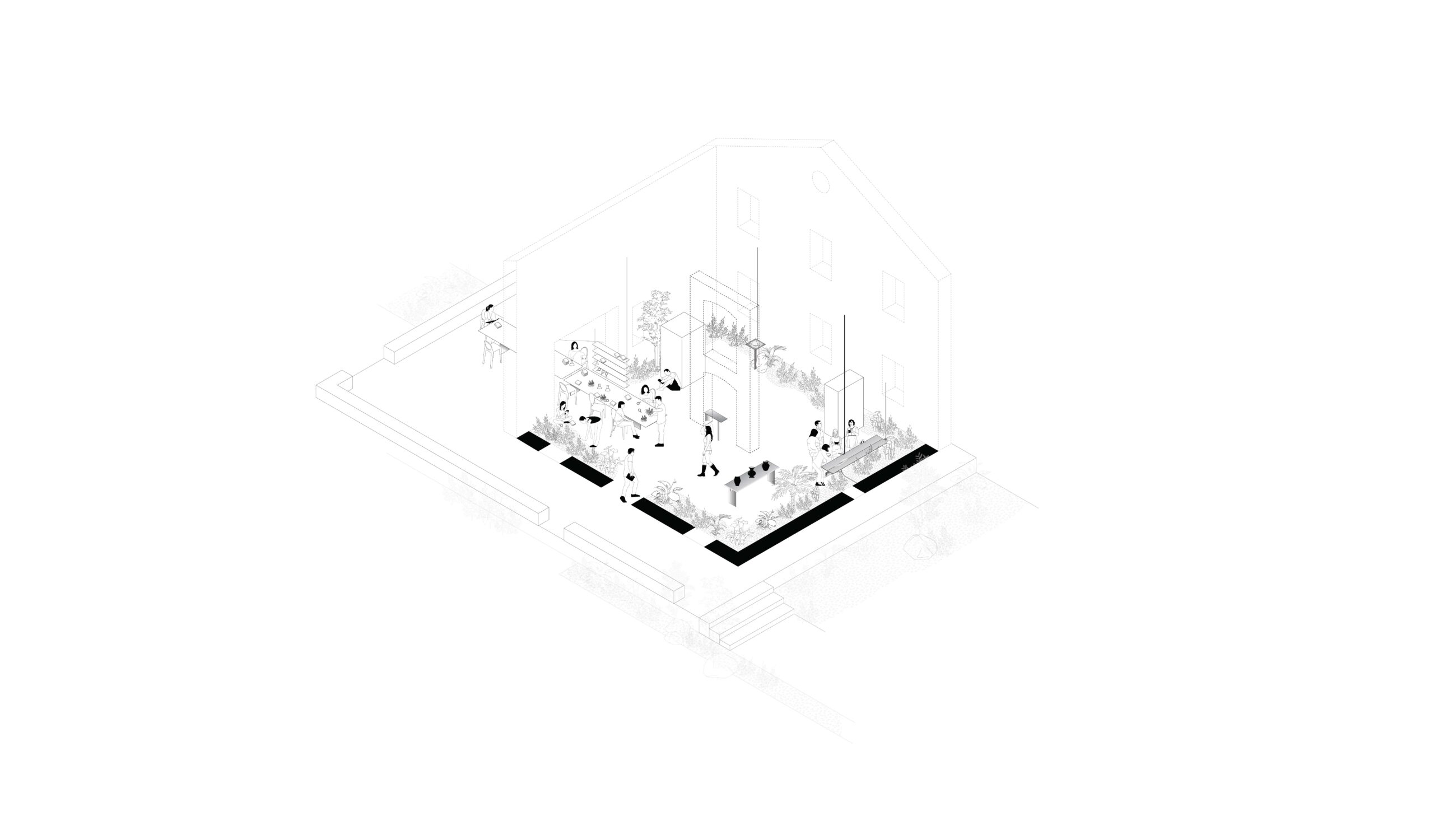
A garden bed is designed around the perimeter at an offset that is wider than the gap in the canopy to solve run-off from rain and protect all interior elements. The canopy is designed at an angle and this careful choice along with the windows in the upper facade, allows for natural ventilation, while the thick walls keep the interior cool during the warm season. The interior space is intended to be gently sheltered from the elements and ground-level apertures are secured through doors and windows, but higher apertures are open for birds and insects to access the space.
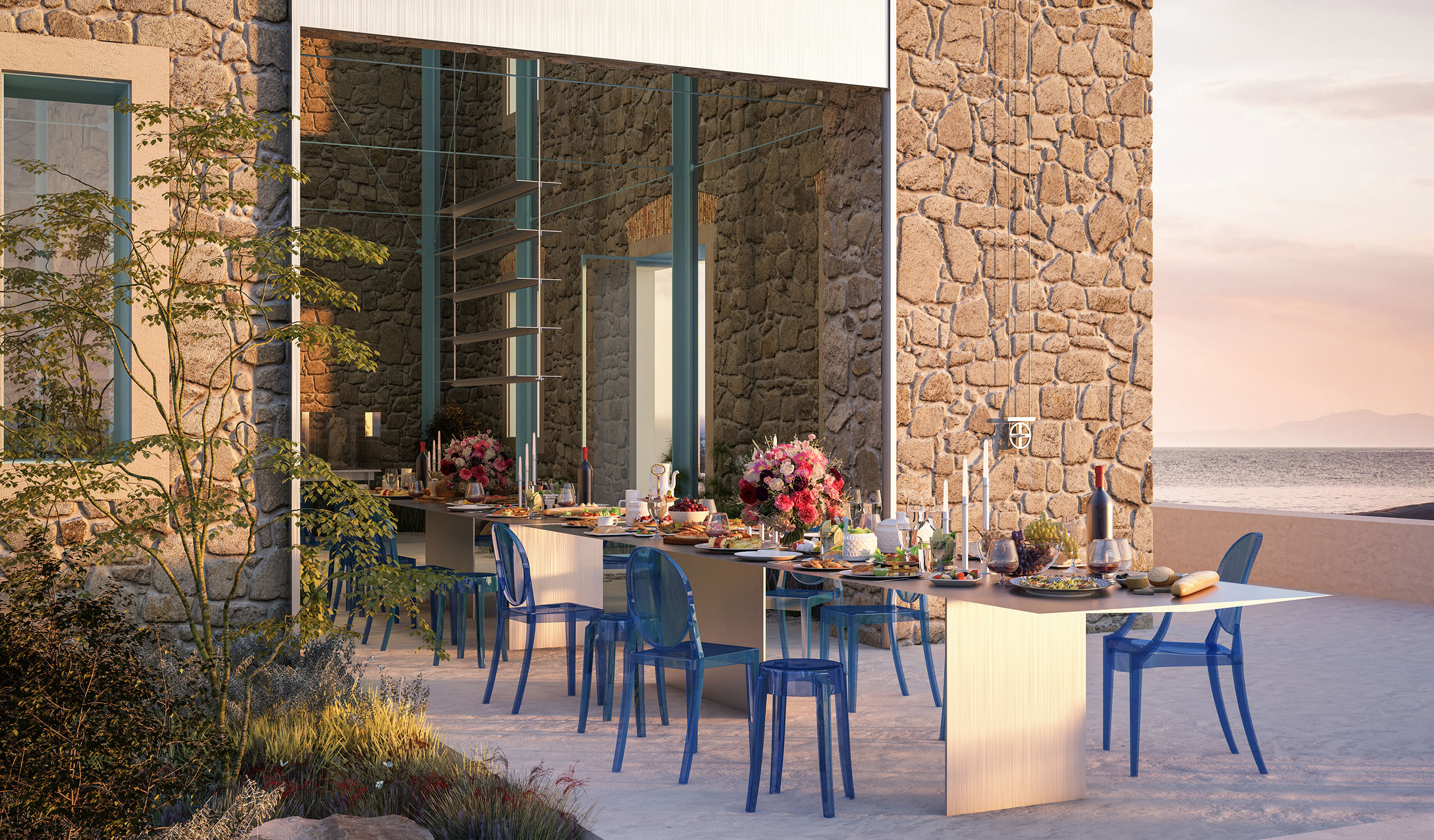
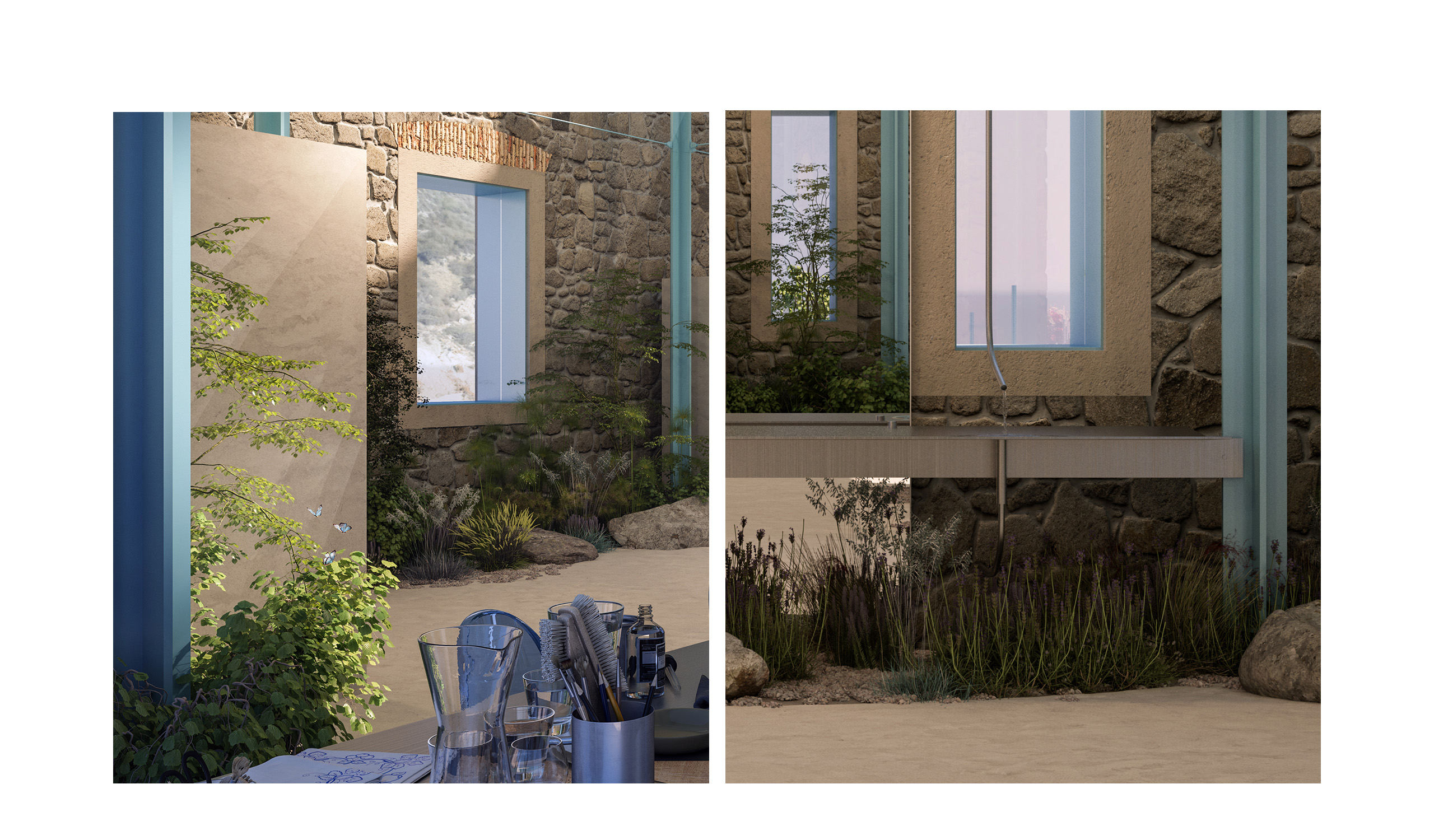
In this project, we aimed to meet all visitor needs with a minimal number of low-cost elements. A mechanical door allows the interior space to expand outdoors, while a communal table can be used for various purposes. Other elements include stools and chairs crafted by local artists, as well as custom-designed shelves and a floating sink.