The work of Ashrafi and Zad Design is rooted in an architectural design approach that is positioned at the intersection of lightweight, computational design and a celebration of existing narratives related to place and identity.
We focus on how advanced design techniques and technological innovation can benefit and empower communities, how to make our built environments more inclusive, and how architecture can offer opportunities for transformation through representation, respecting the stories of people and place, and offering a sense of belonging and identity.
Ashrafi & Zad Design is an Architecture and Urban Design Studio based in Tehran and Barcelona.
Our team is committed to finding solutions that are at once deeply rooted in the given locality while acknowledging universal identity in a globalized world.
Ashrafi & Zad Design strives for an architecture that enriches daily life, improves our environments, and benefits the communities we serve.
Our work is rooted in the understanding that the influence of any architecture or urban space surpasses the immediate physical impact of the built environment. We believe architecture influences communities by making them feel represented, by shaping constructive narratives around social issues and by presenting possibilities for a better future.
Ashrafi & Zad Design
TEHRAN
No.16, Niayesh Building, Farahzadi blvd, Tehran, Iran
Phone : 021-22378673
BARCELONA
Rambla de Catalunya 125, 3º2ª
L'Eixample, Barcelona 08008
Business Development
For general business and project inquiries at Ashrafi & Zad, please contact:
business@ashrafizad.com
Press & Communication
For press and media inquiries, please contact
info@ashrafizad.com
Lectures & Public Speaking
To request a lecture or to engage Ashrafi & Zad in speaking engagements, panel debates, conferences, etc. kindly Send your request to this email.
info@ashrafizad.com
Jobs
All applications (solicited and unsolicited) should be submitted through our application system below.We review all applications on a bi-weekly basis and store relevant applications for a maximum period of 6 months after which they are deleted. Submitted files should be in .pdf format only and not exceed a size of 5 Mb. To access the employment portal, please click on the link below:
Internships
We are always looking for talented students of architecture to join our team.
We accept 1 – 2 interns during the summer (June-August) and the fall (September-November). You can apply for internship through the portal below and indicate which session you are applying for:

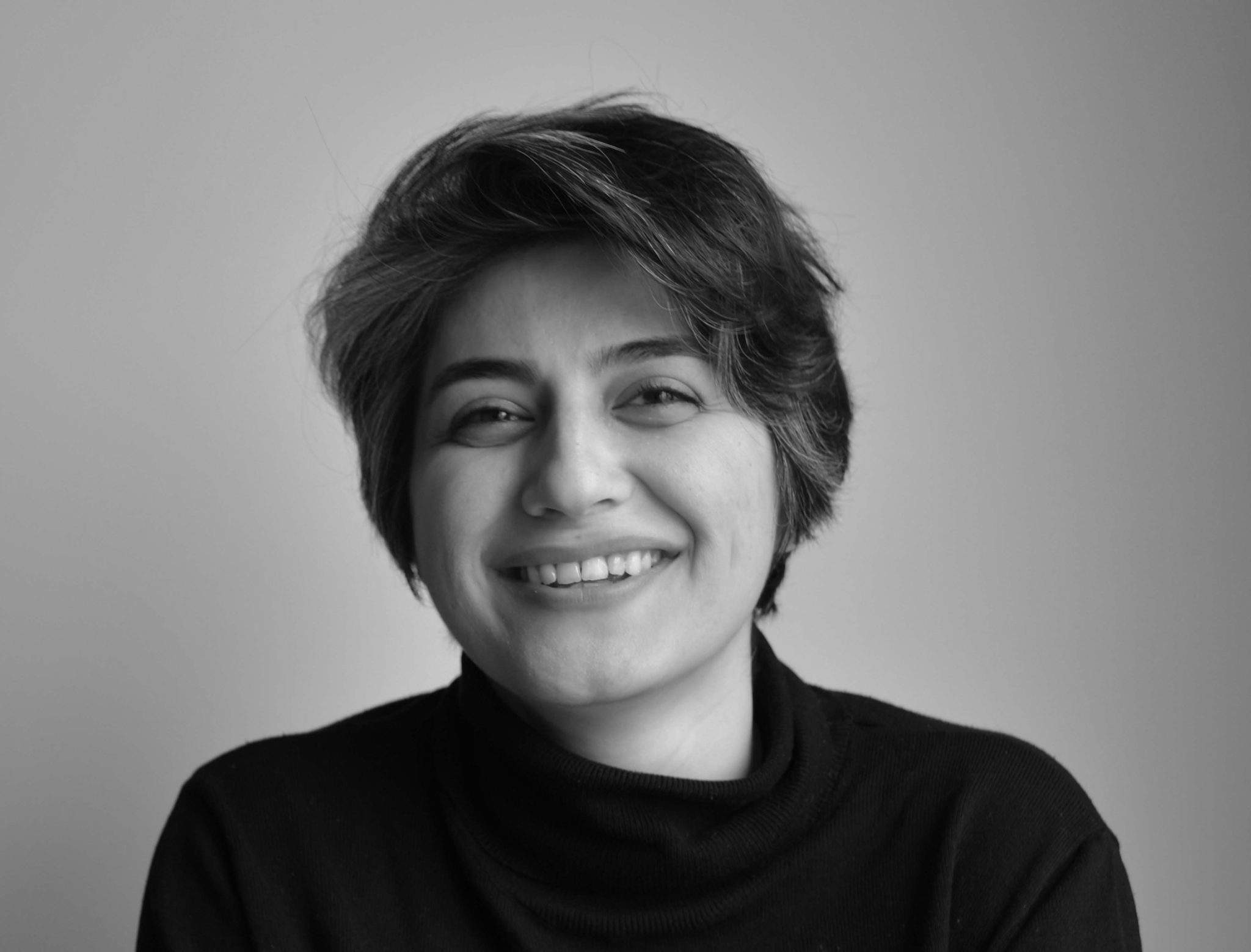
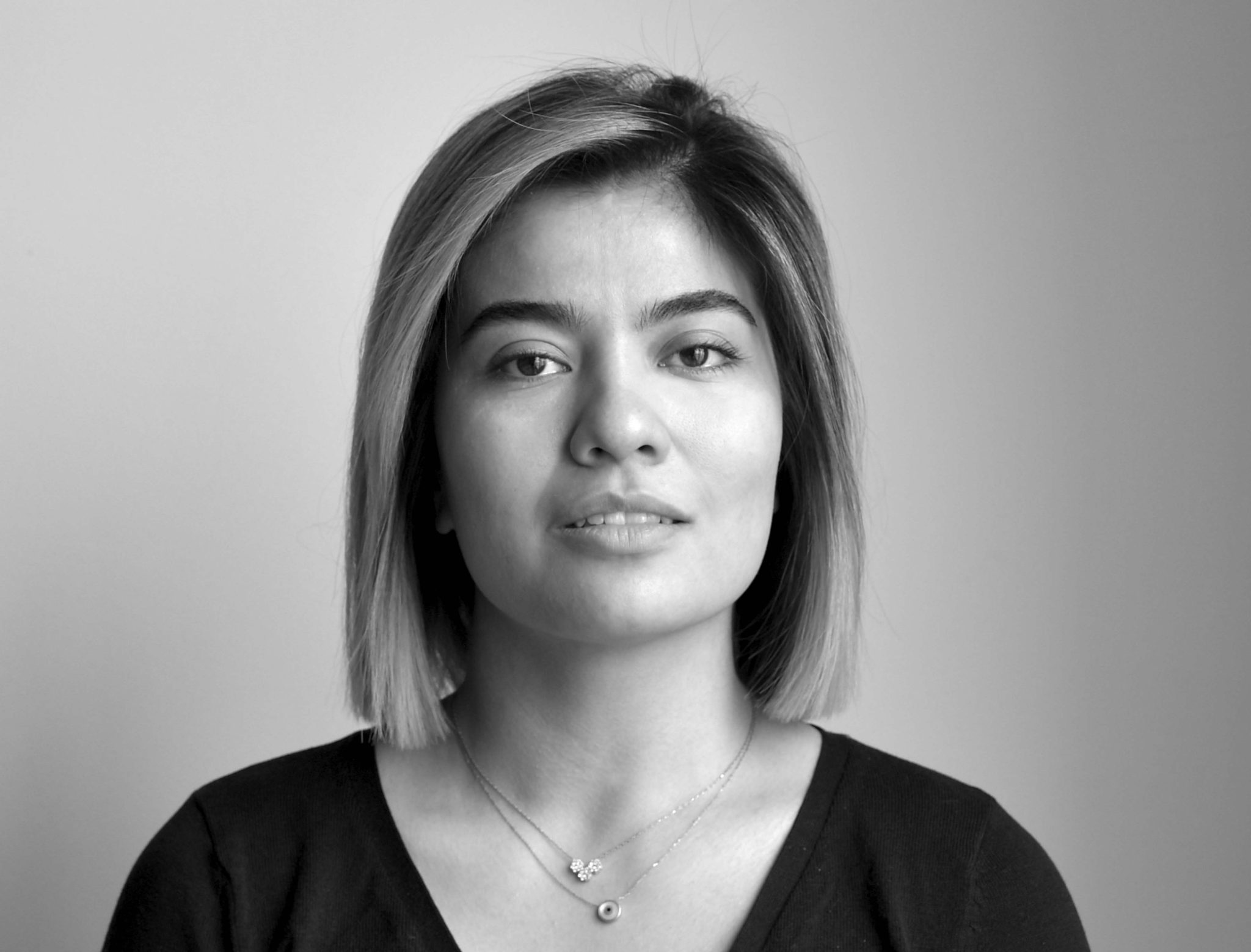
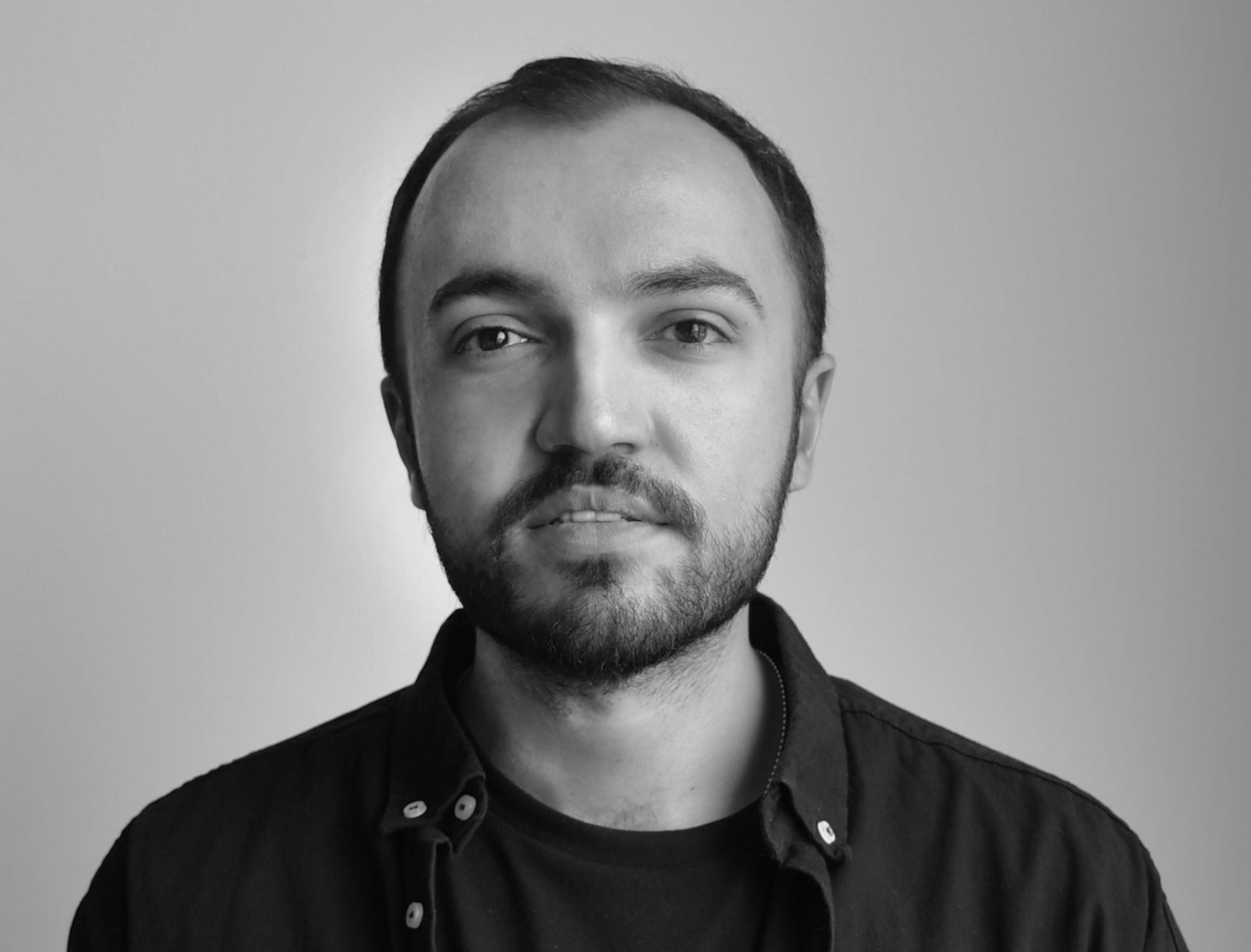
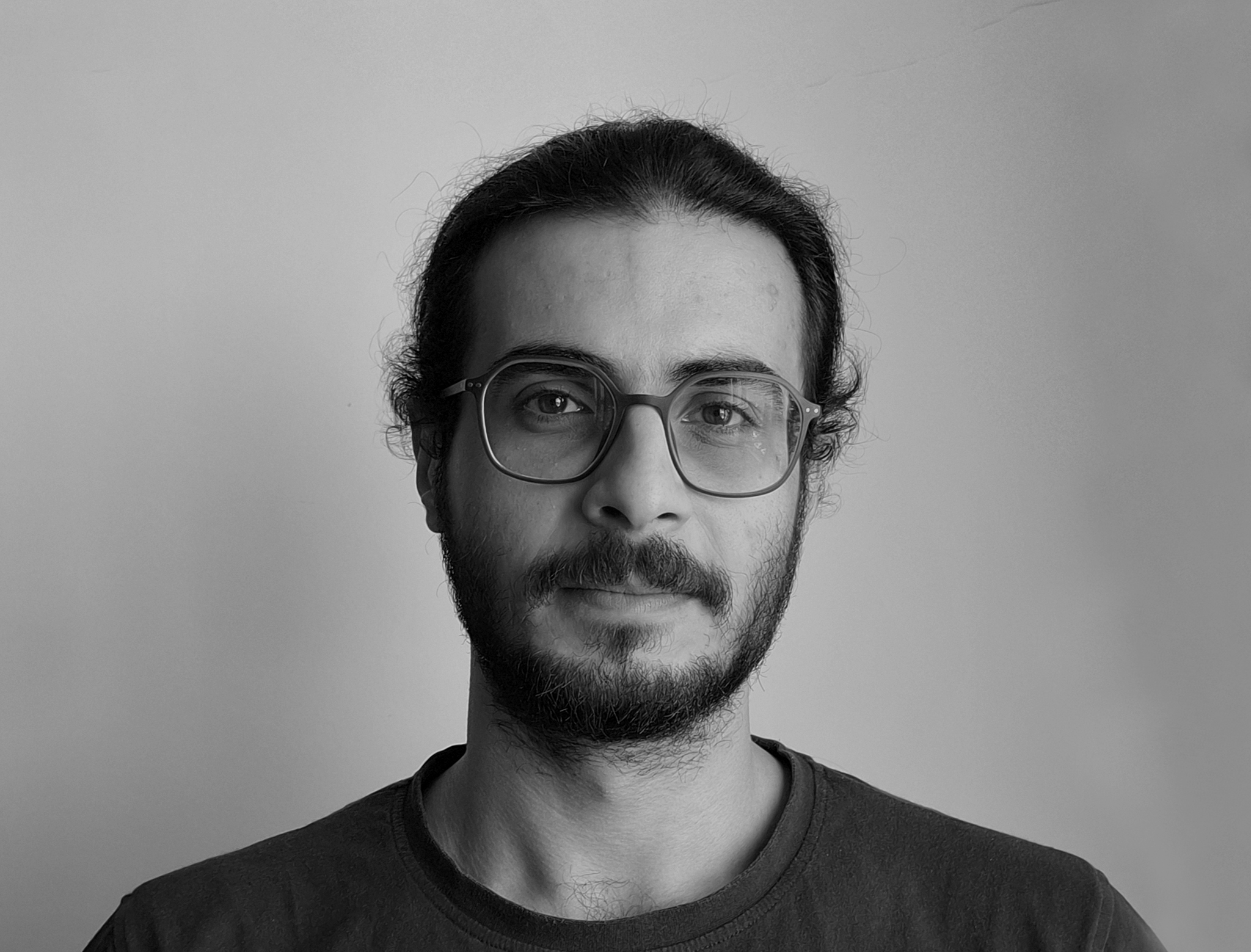
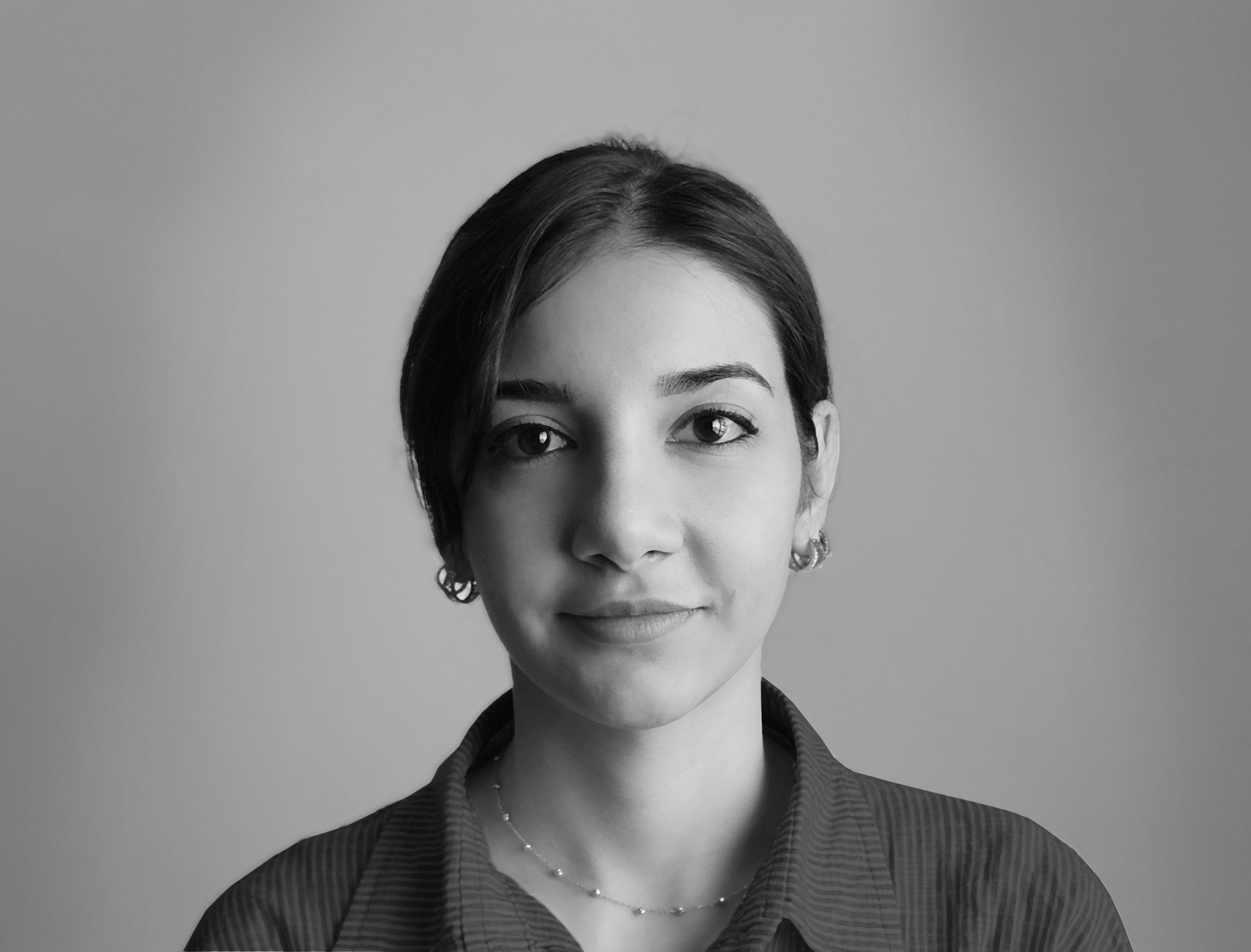
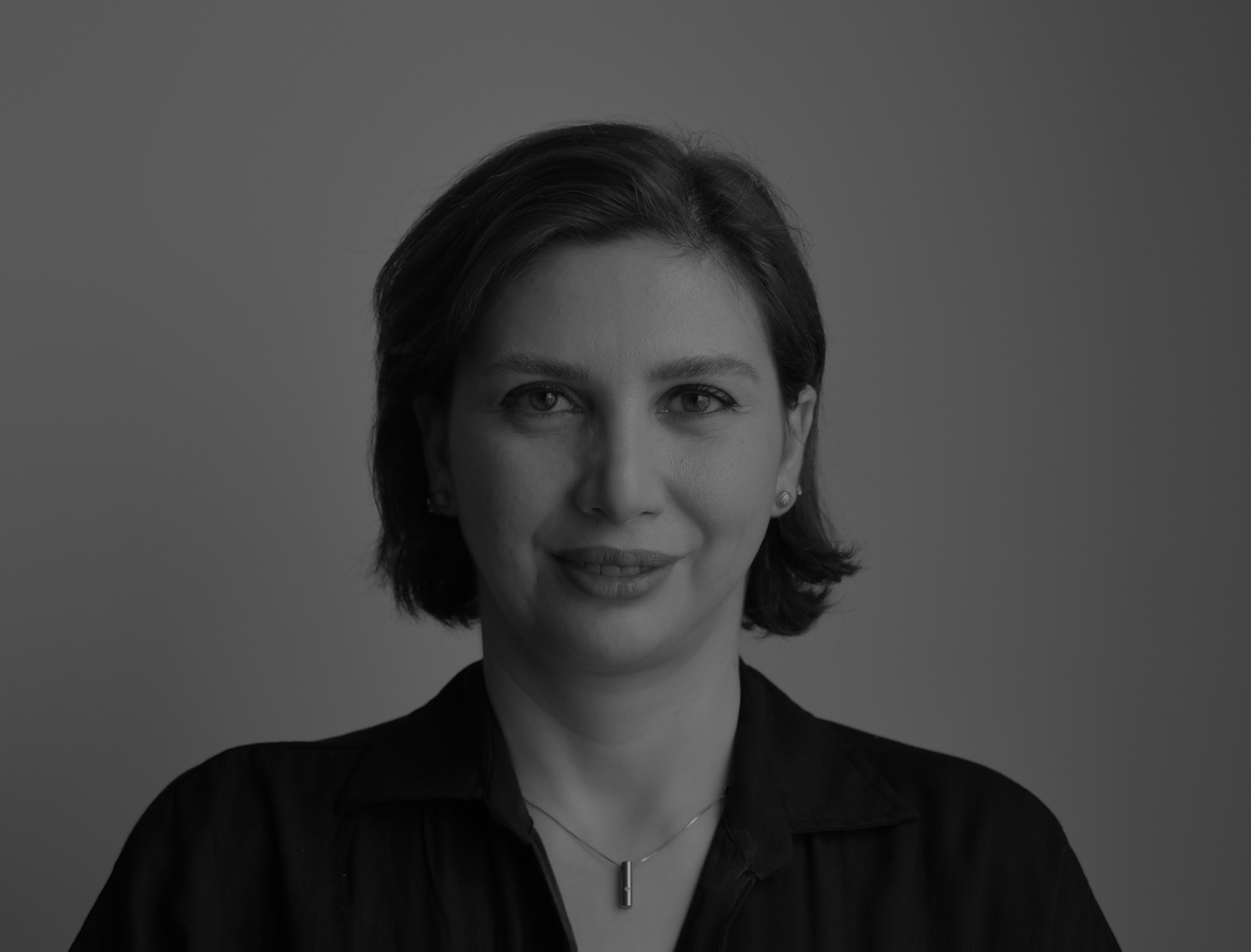
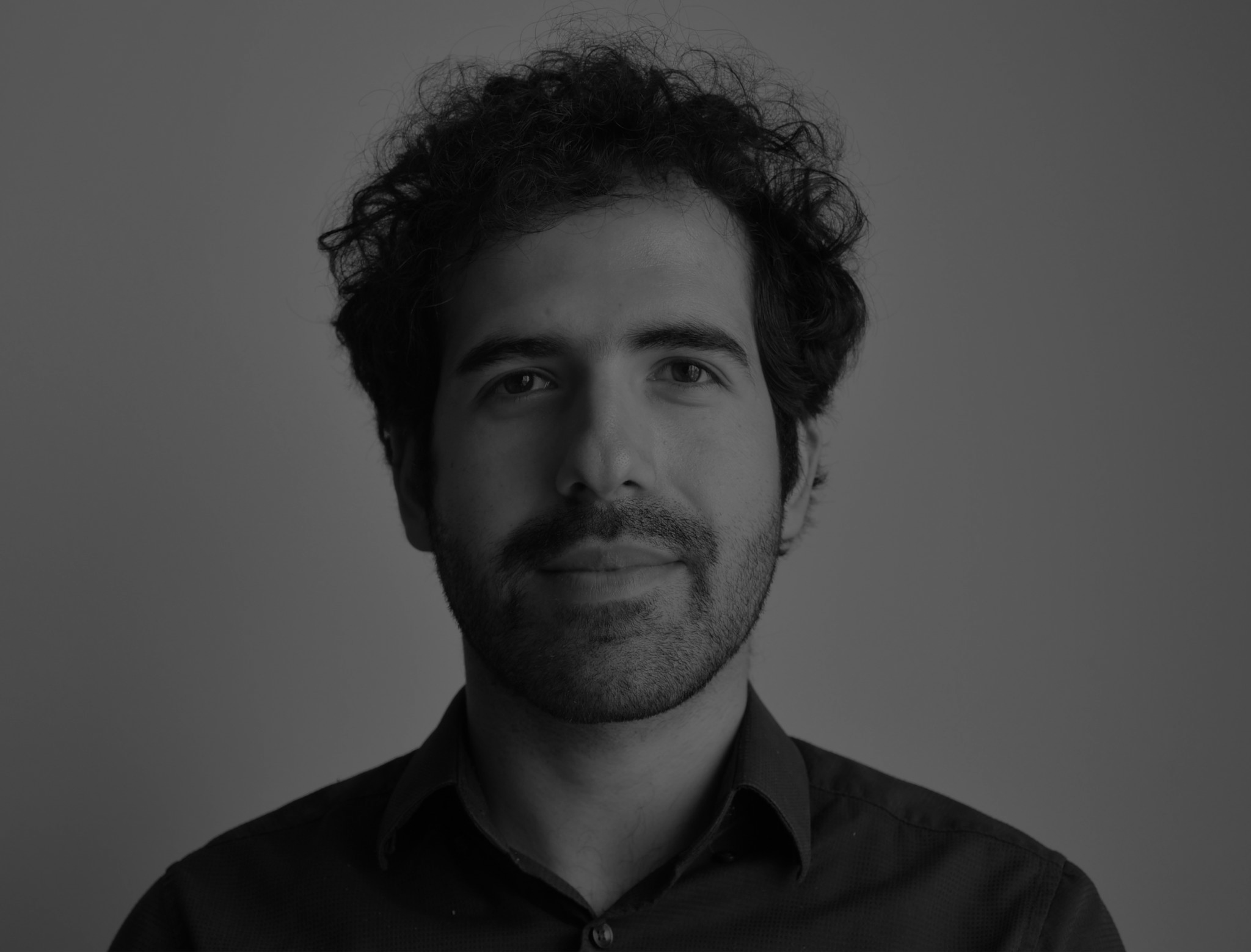
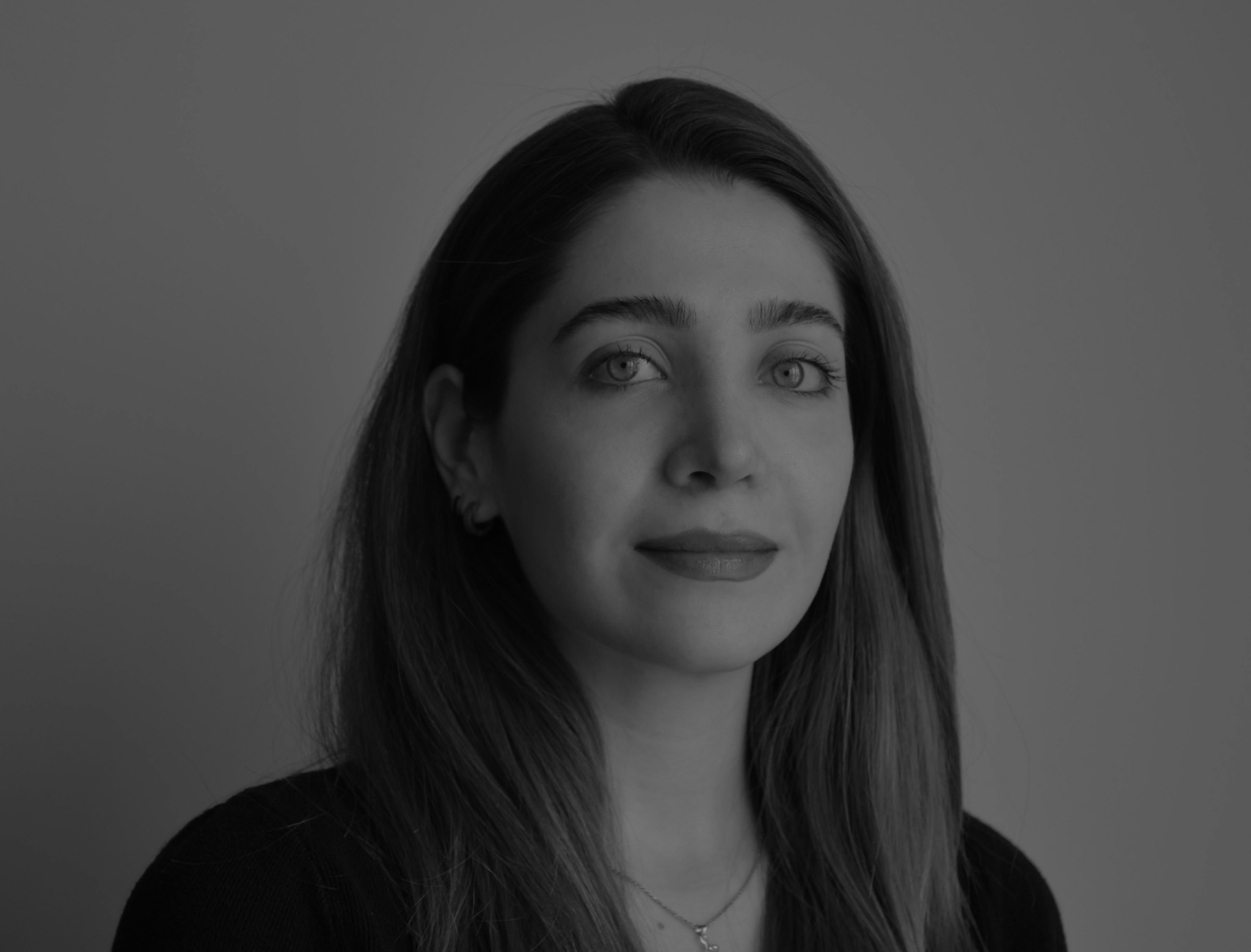
Former Colleagues:
Asal Alizadeh, Sahar Javadi, Avin Hashemi, Negar Hoseini, Shima Tarmasi, Arman Parvin, Rafi Delpak, Shaghayegh Ghaffari, Ardalan Sadri, Raika Monazam, Elena Baharloo, Mahshad Baloochestani, Kamran Kianbakht, Shahin Safamanesh, Media Badiee
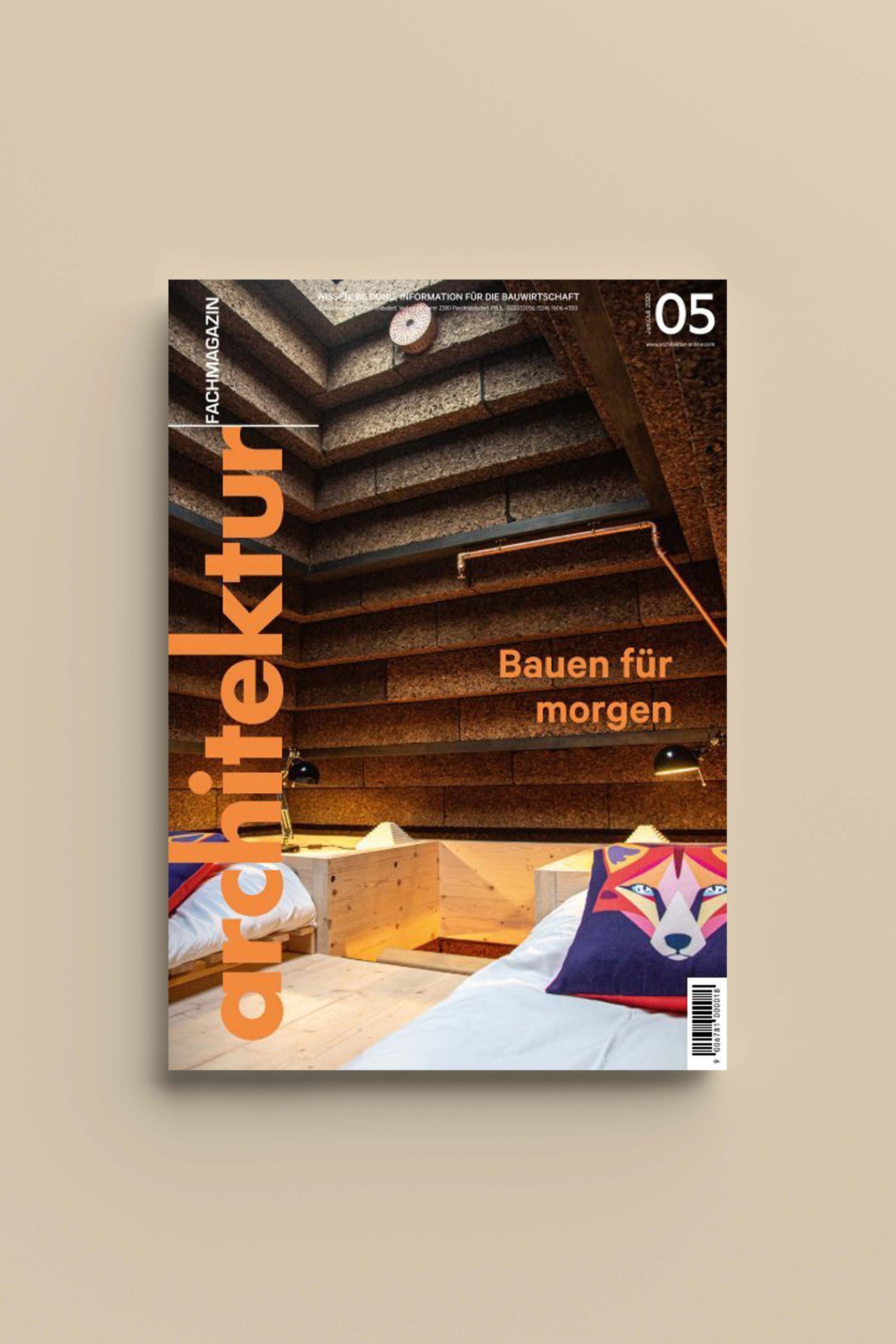
Article Name
Nicht nur Fassade, Atlas Medical Office Building/ Hamedan, Iran.
Publisher
FachMagazin
Published
July 2020
Editor
Walter Lasser
Language
German
Page count
100
Pages
44-49
ISSN
1606-4550
Printed in Architecture for The Future, Deutschland.
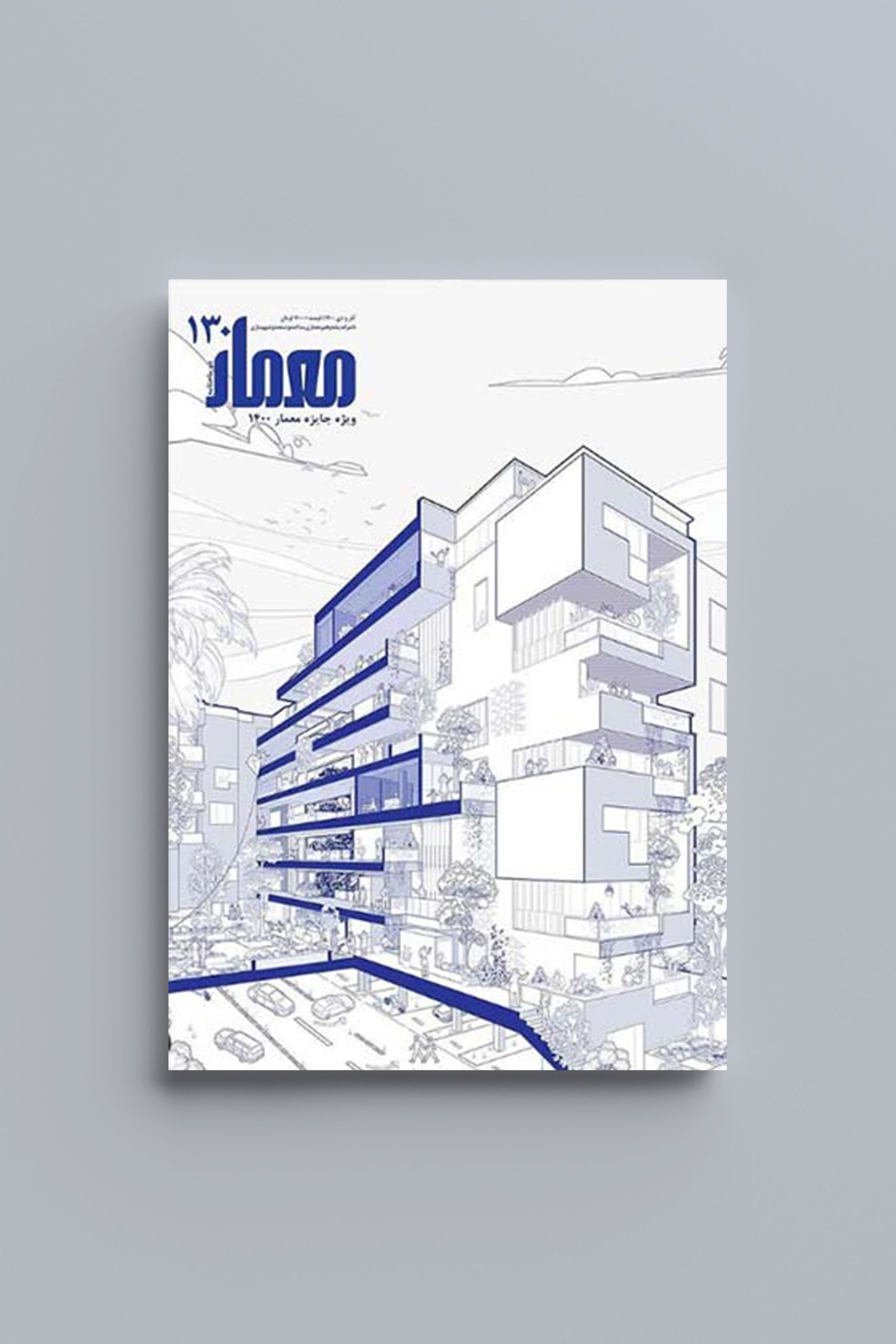
Article Name
2ND PLACE: ALLEY HOUSE, QOM.
Publisher
Architect Magazine 130
Published
December 2021
Editor
Azita Izadi
Language
Persian
Page count
121
Pages
50-52
ISSN
1684-7490
Printed in Memar 130, special Memar 1400 award.
Article Name
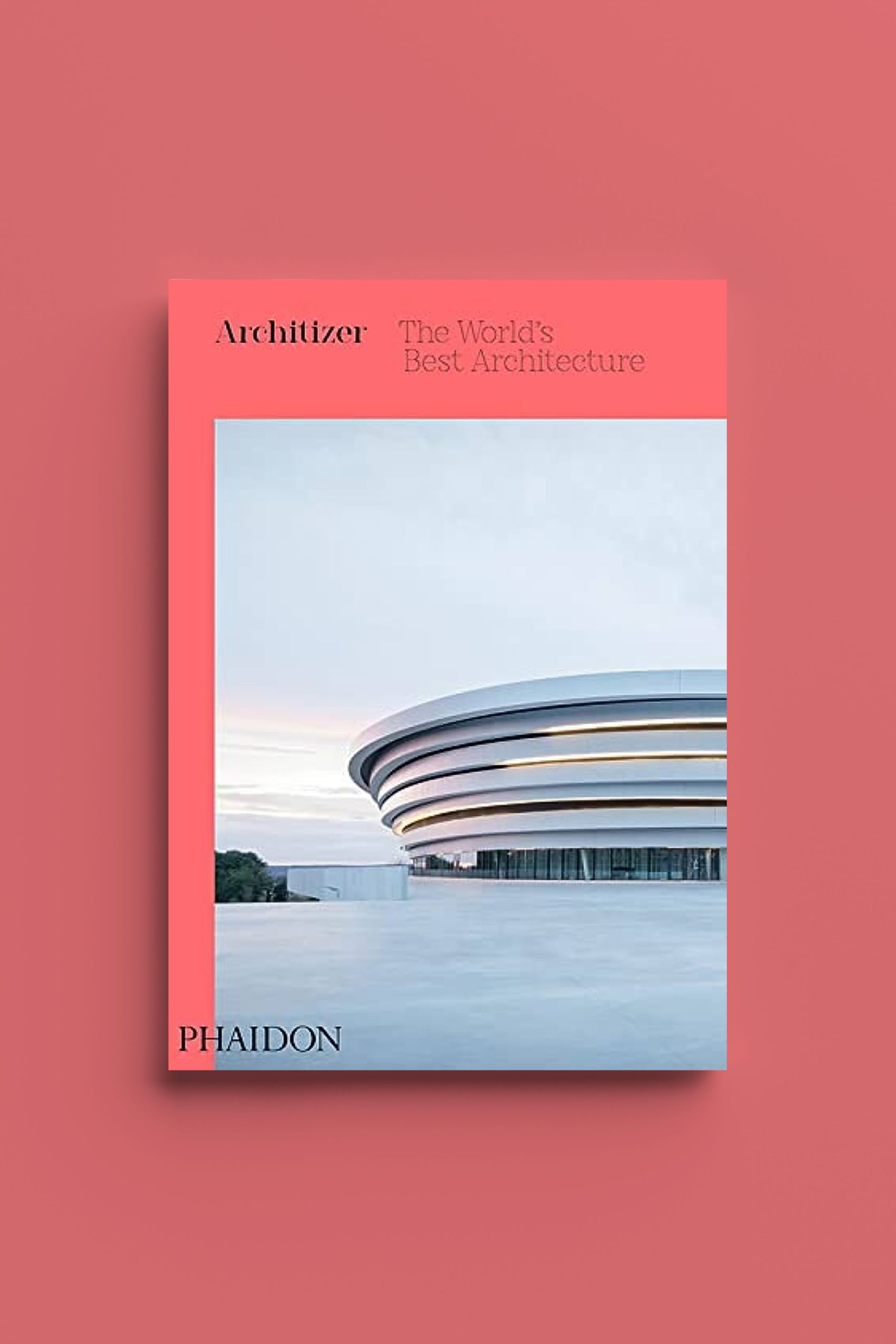
The World’s Best Architecture, 2018
Publisher
Phaidon Press Limited
Published
February 2019
Editor
_____
Language
English
Page count
280
Pages
_____
ISSN
978-0-7148-7870-6
Architizer
Topic
Deaf Friendly City, Inclusive Urbanism Studios
Mentors
Raha Ashrafi, Asal Alizadeh, Mojdeh Kamali
Researchers
Nava Kholoosi, Nima Ghanei, Mohhamad Behjoo, Farideh Yusefi Moghadam
Institution
TUIC (Tehran Urban Innovation Center)
Outcomes
Design Handbook // 101 Tips for a Deaf Friendly City
Language
Persian
Page Count
181
Completed
September 2019
Topic
Senior Friendly Environment
Mentors
Raha Ashrafi
Researchers
Golrokh Heidarian, Tarlan Khoiloo
Institution
Ashrafi & Zad Design – Research
Outcomes
Design Handbook
Language
Persian
Page Count
203
Completed
December 2022








2021
Memar National Architecture Award
The Alley House
Dezeen Awards
Silk Tree Deaf Friendly Park
Europan 16 Awards
A Self Nurturing City in Hjertelia, Norway
2019
Memar National Architecture Award
Atlas Medical Office Building
2018
Architizer A+ Jury and Architizer A+ Popular Choice Award
Hamedan Chamber of Commerce, Hamedan
Architecture Master Prize
Hamedan Chamber of Commerce, Hamedan
2017
Architizer A+ Jury and Architizer A+ Popular Choice Award
Farmanieh Vertical City, Tehran.
2014
World Architecture Festival (WAF)
Abadan Residential apartment
2011
Memar National Architecture Award
Abadan Residential apartment
2021
Memar National Architecture Award
Memar National Architecture Award
Dezeen Awards
Silk Tree Deaf Friendly Park
Europan 16 Awards
A Self Nurturing City in Hjertelia, Norway
2019
Memar National Architecture Award
‘Atlas Medical Office Building’
2018
Architizer A+ Jury and Architizer A+ Popular Choice Award
Hamedan Chamber of Commerce, Hamedan
Architecture Master Prize
Hamedan Chamber of Commerce, Hamedan
2017
Architizer A+ Jury and Architizer A+ Popular Choice Award
Farmanieh Vertical City, Tehran.
2017
Architizer A+ Jury and Architizer A+ Popular Choice Award
Farmanieh Vertical City, Tehran.
2014
World Architecture Festival (WAF)
Abadan Residential apartment
2011
Memar National Architecture Award
Abadan Residential apartment