What makes a constrained residential site become a distinct architectural statement?
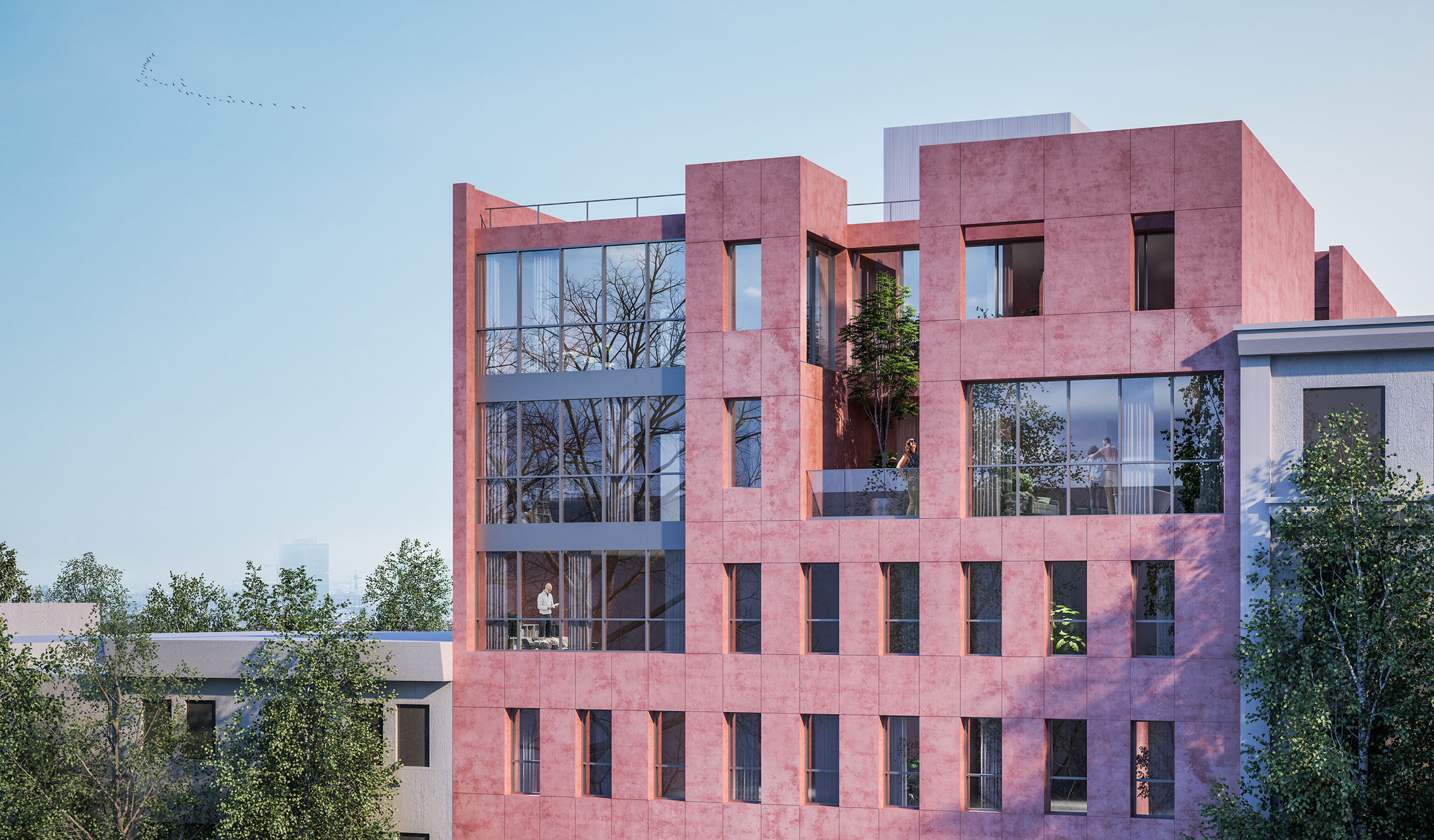
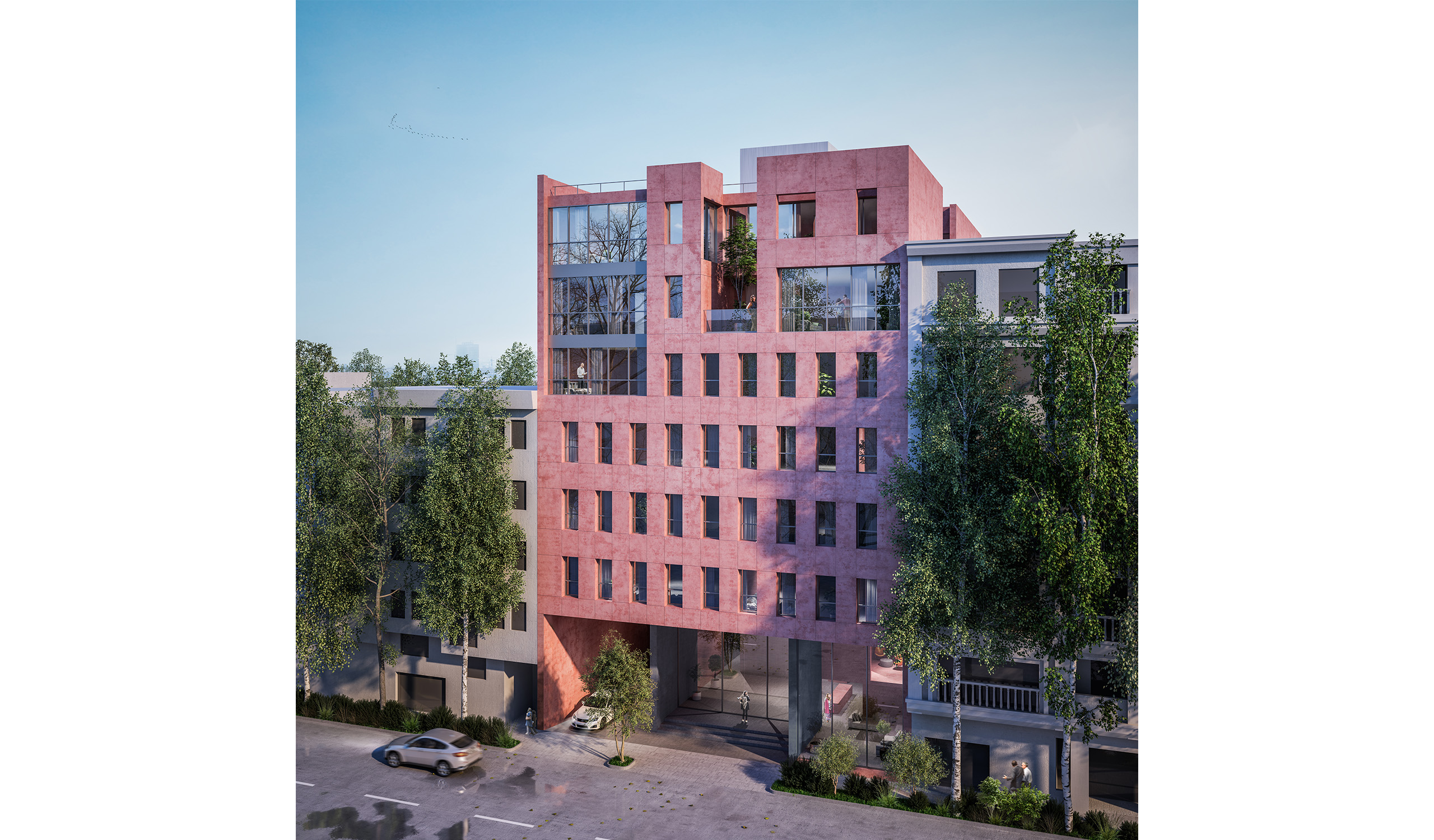
The 17th residential building is located on a constrained urban site within a narrow 13-meter-wide alley, where adjacent buildings on the east and west sides significantly limit natural light and reduce the quality of interior living spaces. In response, the design is driven by a “form follows life” approach, where spatial decisions emerge directly from the needs of daily living, light quality, and human experience. A double-height entrance lobby is introduced not as a formal gesture, but as a spatial extension of living—bringing openness, air, and light into the heart of the building.
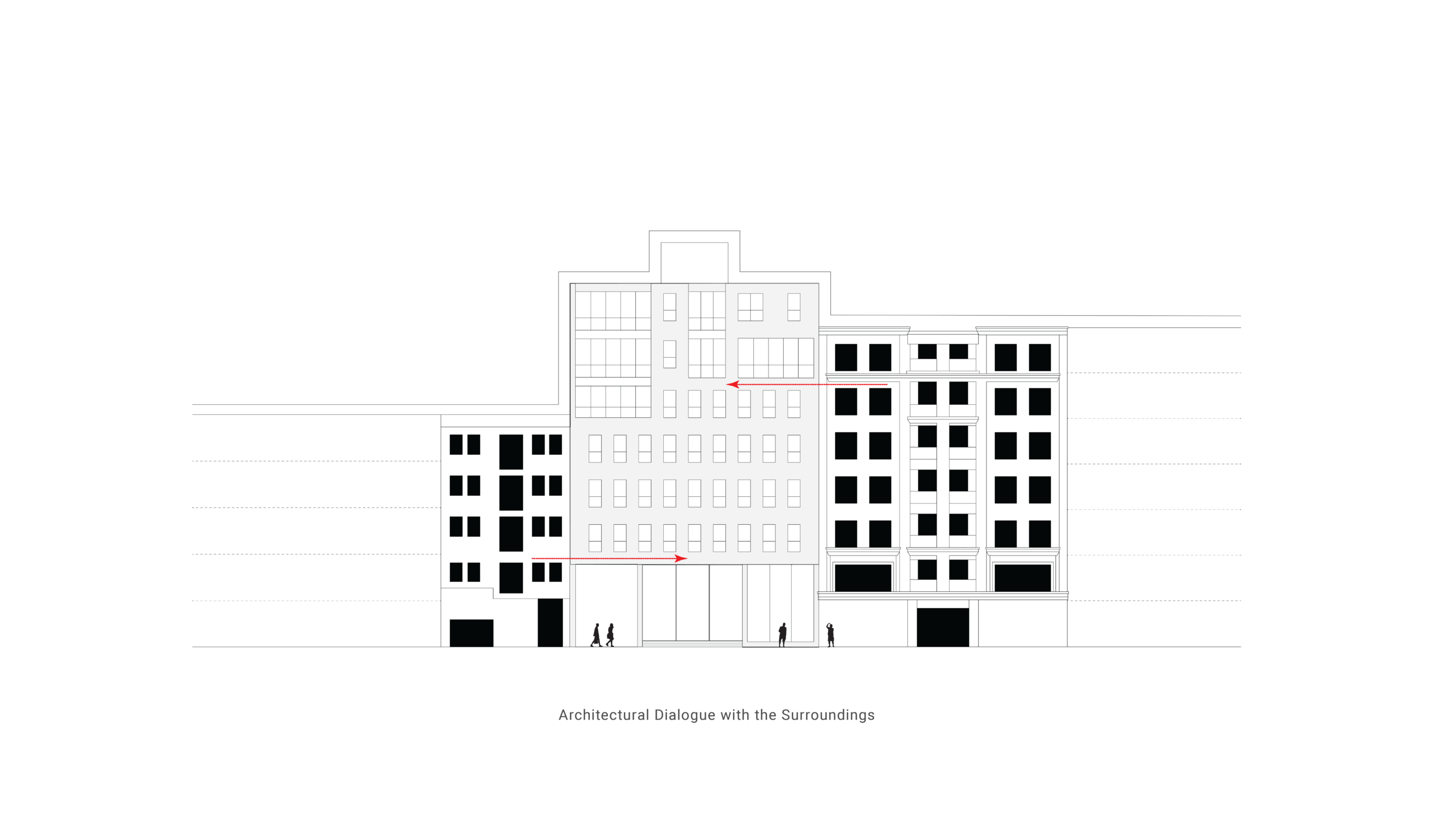
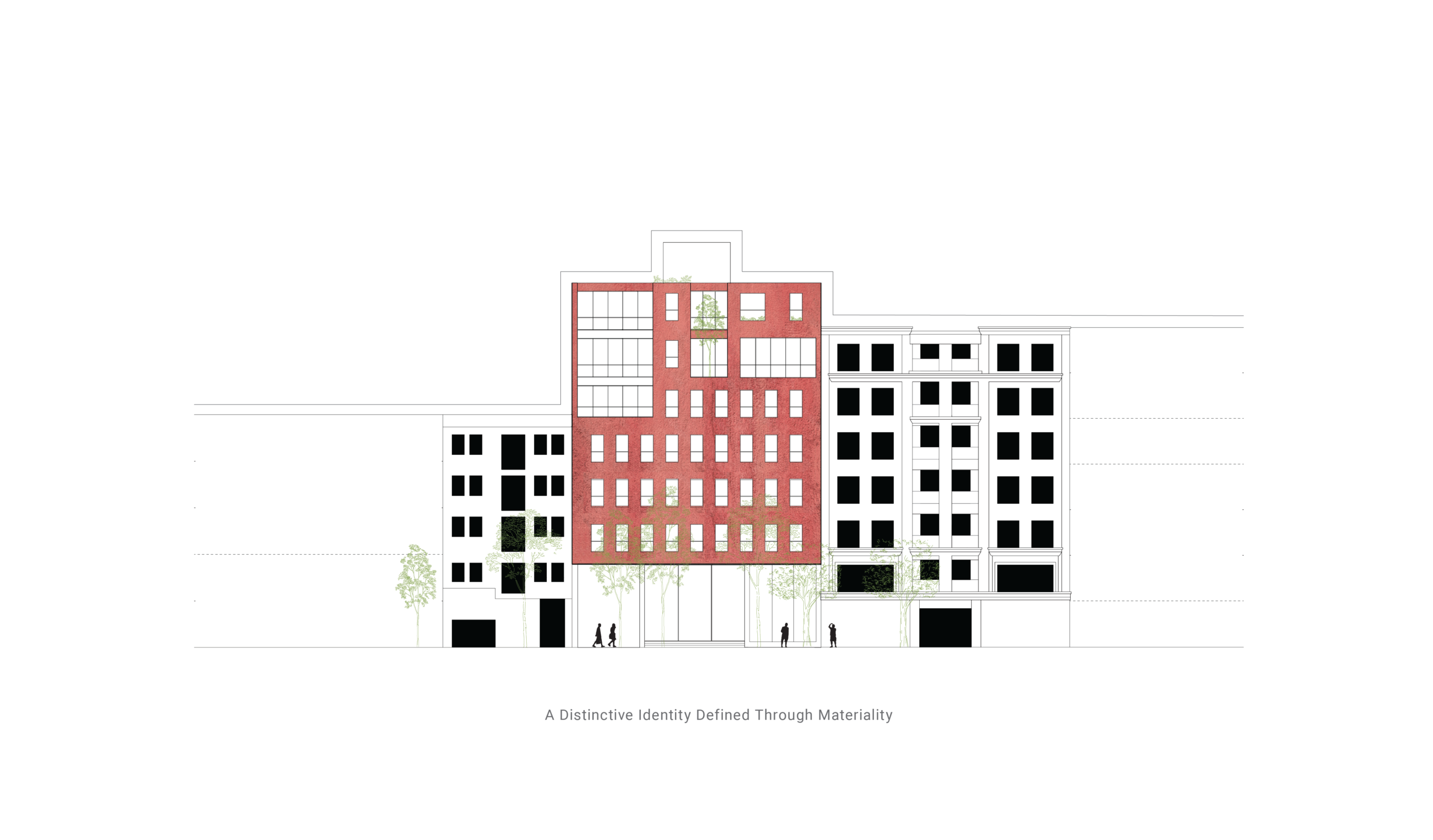
Large openings are positioned to prioritize daylight, visual comfort, and a continuous relationship between interior life and the surrounding environment. From this perspective, the façade is shaped by how residents experience their spaces: it simultaneously provides material distinction that defines identity while maintaining visual and proportional harmony with the urban fabric, supporting a sense of belonging within the city.
This strategy reinforces the idea that every spatial decision is guided by lived experience, comfort, and well-being rather than formal composition alone. Ultimately, the project seeks to improve the quality of urban living within a compact site by prioritizing daylight, environmental connection, and human-centered spatial experience. The resulting architecture is not driven by form as an independent object, but by life itself—where space, light, and nature collectively shape the building in response to how people inhabit it.