فعالیت های دفتر طراحی اشرفی و زاد مبتنی بر سبک سازی سازه، بهره گیری از طراحی رایانشی و ارزش گزاری بر روایت های موجود مرتبط با مکان و هویت است. دفتر ما به دنبال شناخت تاثیر تکنولوژیهای پیشرفته بر محیط و جوامع است که با استفاده از سیستمهای طراحی دیجیتال به این امر می پردازد. همچنین نقش معماری در ایجاد حس هویت و فرهنگ را همیشه مبنای طراحی قرار میدهد؛ متعهد به یافتن راه حل هایی است که عمیقاً در محل ریشه دارند ولی هویت جدید در دنیای جهانیشده را نیز به رسمیت میشناسند.
دفتر معماری و طراحی شهری اشرفی و زاد در تهران و بارسلونا مستقر است و تجربه حرفه ای در عرصه های متفاوت از پروژه های کوچک مقیاس تا طرح توسعه شهری را دارد.
کار ما بر این درک استوار است که تأثیر هر ساختمان یا فضای شهری فراتر از تأثیر کالبدی است که دارد.
ما بر این باوریم که معماری با ایجاد حس حمایت یا دیده شدن افراد جامعه، می تواند روایتهایی سازنده حول مسائل اجتماعی شکل دهد و با ارائه امکاناتی برای آیندهای بهتر، بر جوامع تأثیر گذارد.
آدرس
تهران
شهرک غرب، بلوار فرحزادی، نبش خروجی نیایش، ساختمان نیایش، پلاک ۶۰ واحد ۱۶
شماره تماس: ۲۲۳۷۸۶۷۳-۰۲۱
BARCELONA
Rambla de Catalunya 125, 3º2ª
L'Eixample, Barcelona 08008
درخواست همکاری
برای مطرح کردن هرگونه سوال در زمینه همکاری با دفتر اشرفی زاد میتوانید از راه ارتباطی زیر اقدام کنید:
business@ashrafizad.com
رسانه و ارتباطات
برای سوالات مطبوعاتی و رسانه ای لطفا به آدرس زیر ایمیل بزنید.
info@ashrafizad.com
دعوت به سخنرانی
برای دعوت از دفتر اشرفی و زاد برای شرکت در جلسات سخنرانی، میزگردها، کنفرانسها و … لطفاً درخواست خود را به ایمیل زیر ارسال کنید.
info@ashrafizad.com
فرصت شغلی
برای درخواست همکاری (بر اساس فراخوان یا داوطلبانه ) باید از طریق سیستم زیر اقدام شود. هر دو هفته یکبار تمام درخواست های ارسال شده بررسی می شود. درخواست های مرتبط نیز حداکثر تا 6 ماه نگهداری و سپس حذف می شوند. فرمت فایل های ارسالی باید به صورت PDF و با حجم حداکثر 5 مگابایت باشد. برای کسب اطلاعات بیشتر در مورد شرایط کار در دفتر اشرفی و زاد، لینک زیر را دنبال کنید.
دورههای کارآموزی
همکاران سابق
عسل علیزاده، سارا جوادی، آوین هاشمی، نگار حسینی، شیما ترماسی، آرمان پروین، رفیع دلپاک، شقایق غفاری، اردلان صدری، رایکا منظم، النا بهارلو، مهشاد بلوچستانی، کامران کیانبخت، شاهین صفامنش، مدیا بدیعی
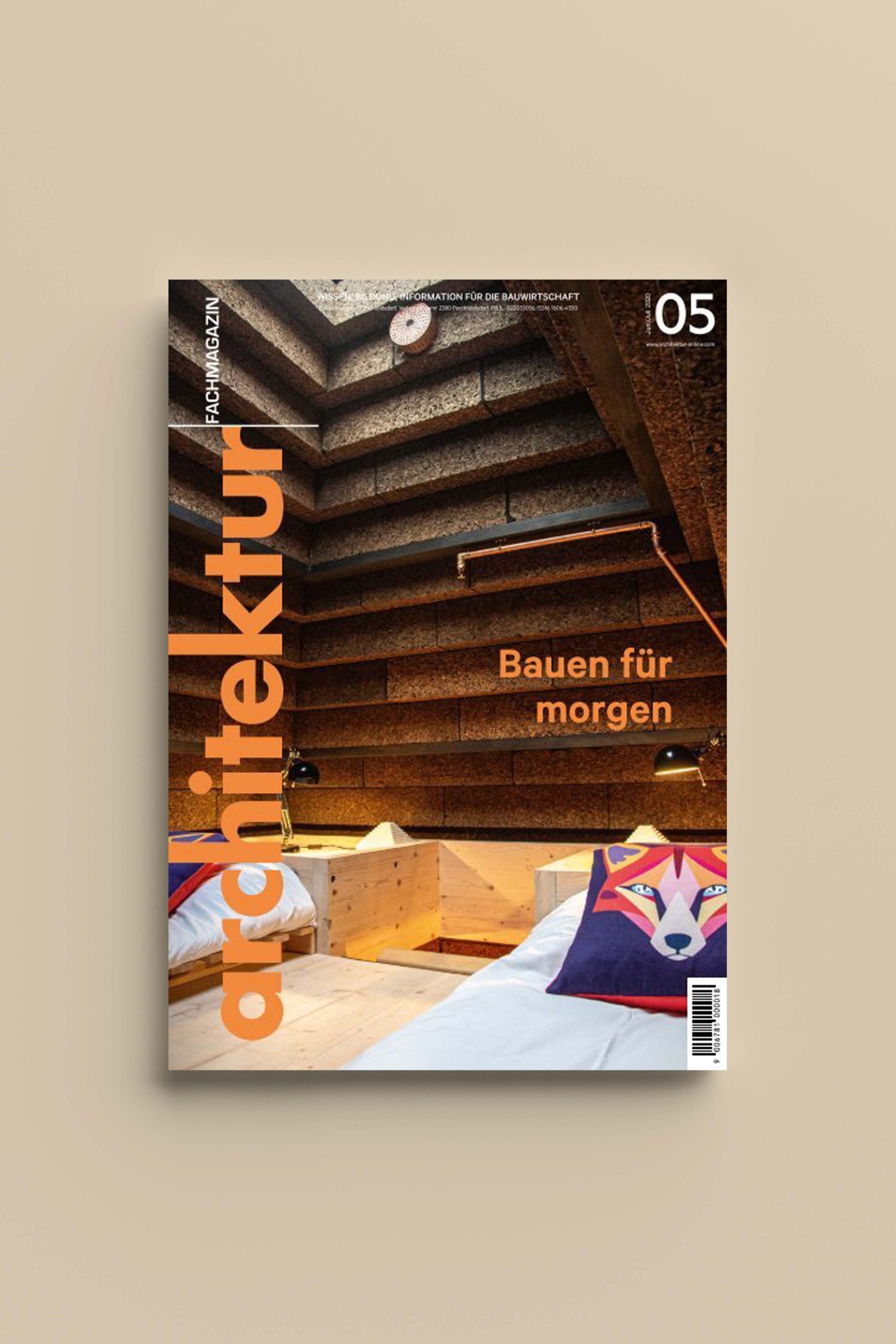
عنوان مقاله
Nicht nur Fassade، ساختمان پزشکی اطلس/ همدان، ایران
ناشر
FachMagazin
تاریخ انتشار
جولای ۲۰۲۰
ویراستار
Walter Lasser
زبان
آلمانی
تعداد صفحات
۱۰۰
صفحات
۴۴-۴۹
ISSN
۱۶۰۶-۴۵۵۰
چاپ
چاپ شده در: Architecture for The Future, Deutschland
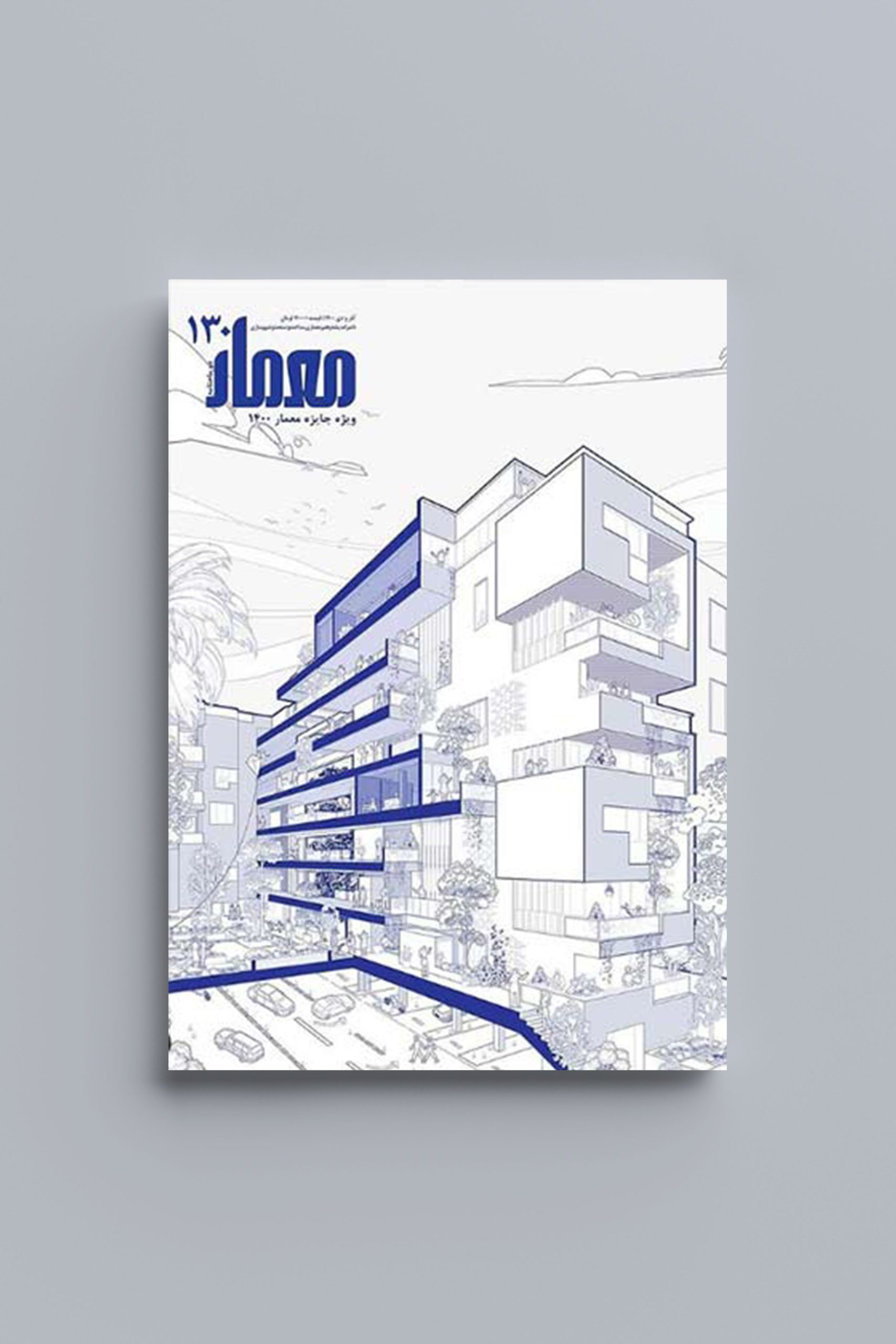
عنوان مقاله
مقام دوم کوچه خانه
ناشر
مجله معمار شماره ۱۳۰
تاریخ انتشار
دسامبر ۲۰۲۱
ویراستار
آزیتا ایزدی
زبان
فارسی
تعداد صفحات
۱۲۱
صفحات
۵۰-۵۲
ISSN
۱۶۸۴-۷۴۹۰
چاپ
چاپ شده در مجله معماری شماره ۱۳۰، جایزه ویژه معمار ۱۴۰۰
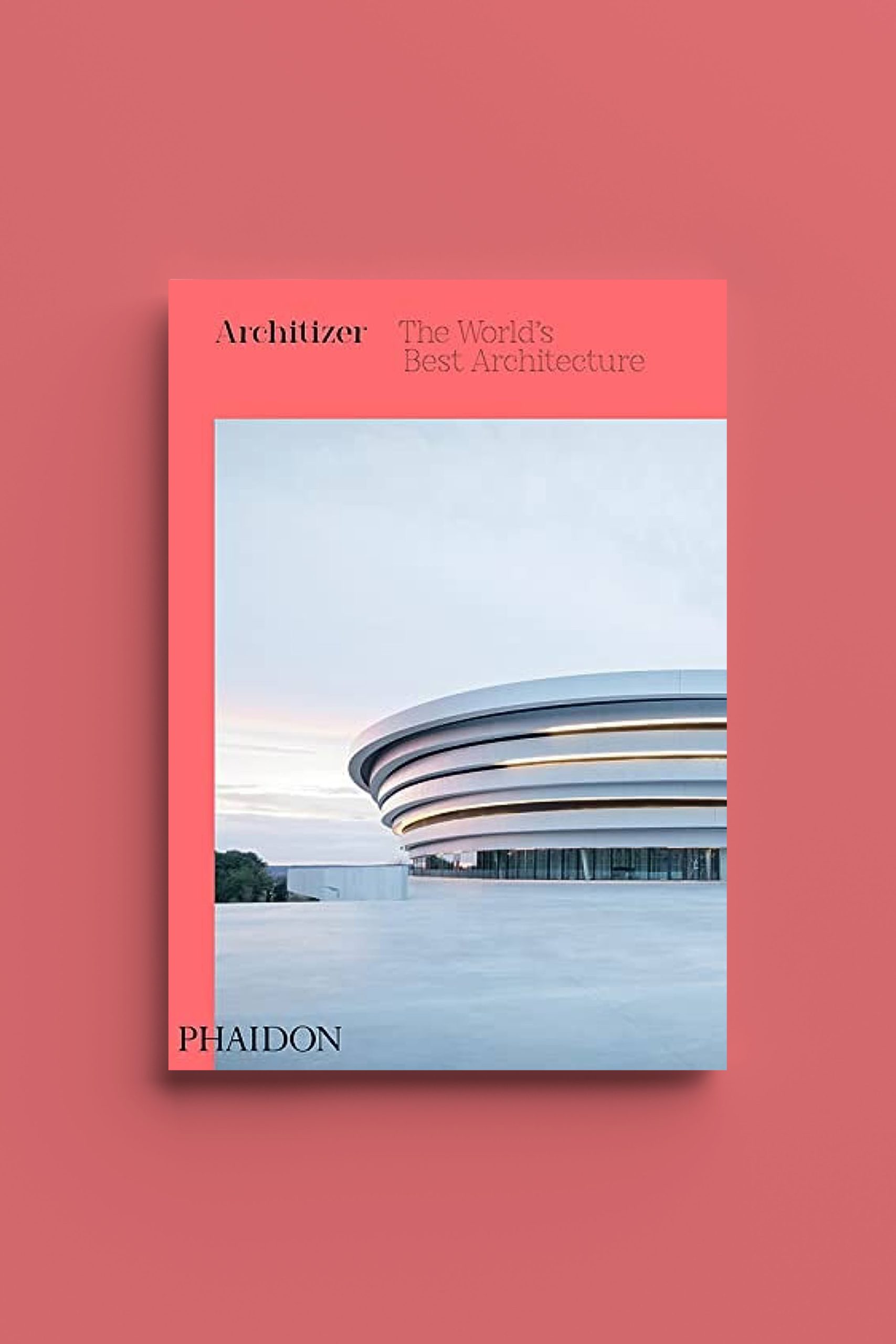
عنوان مقاله
The World’s Best Architecture, 2018
ناشر
Phaidon Press Limited
تاریخ انتشار
فوریه ۲۰۱۹
ویراستار
_____
زبان
انگلیسی
تعداد صفحات
۲۸۰
صفحات
_____
ISSN
۹۷۸-۰-۷۱۴۸-۷۸۷۰-۶
چاپ
چاپ شده در Architizer
موضوع تحقیق
استودیو شهر ناشنوا دوست، شهرسازی همه شمول
مربیان
رها اشرفی، عسل علیزاده، مژده کمالی
محققان
نوا خلوصی، نیما قانعی، محمد بهجو، فریده یوسفی مقدم
موسسه
TUIC (مرکز نوآوری شهری تهران)
خروجی
کتابچه راهنمای طراحی، ۱۰۱ نکته برای داشتن شهری دوستدار ناشنوایان
زبان
فارسی
تعداد صفحات
۱۸۱
تاریخ تکمیل
سپتامبر ۲۰۱۹
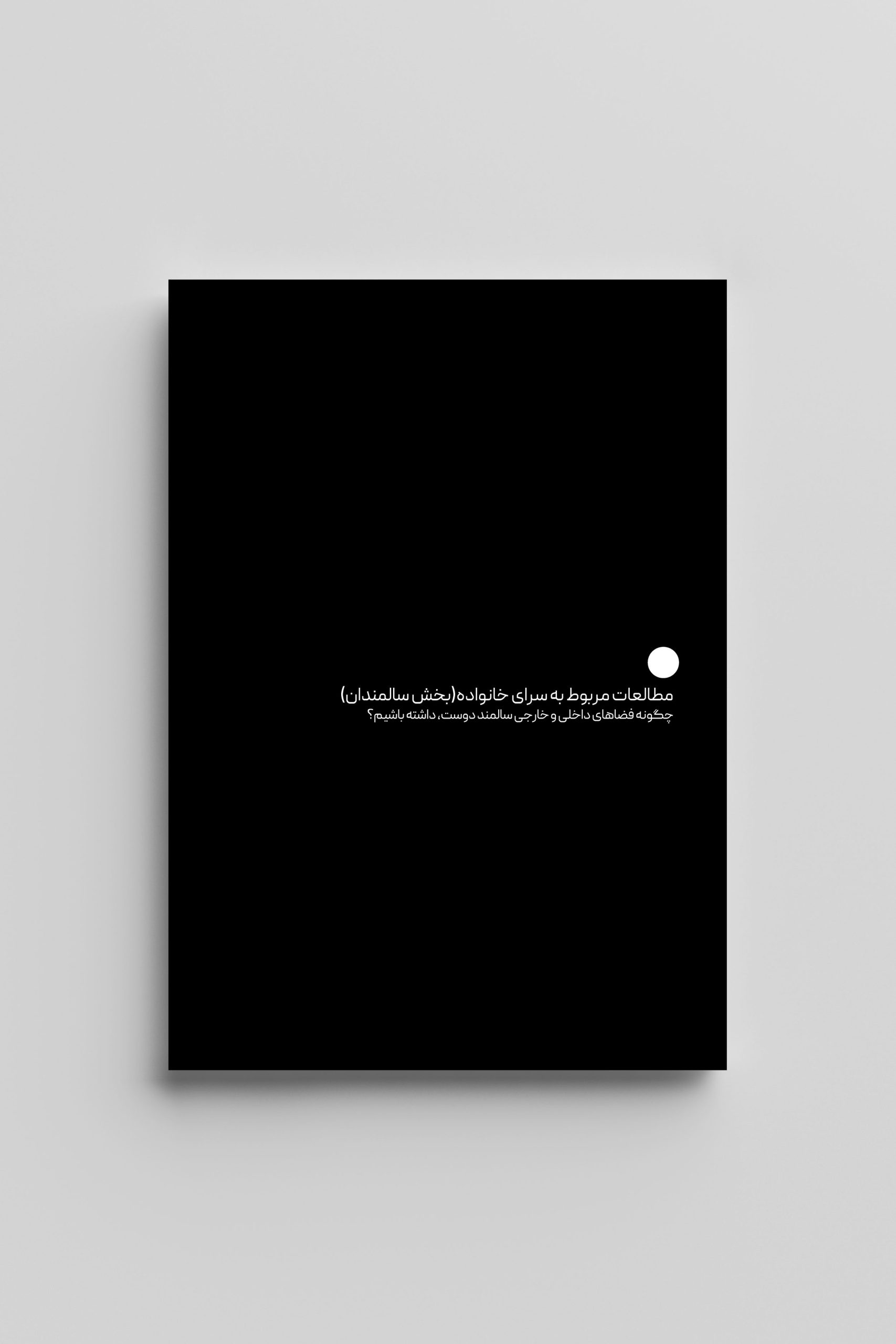
موضوع تحقیق
طراحی فضای سالمند دوست
مربیان
رها اشرفی
محققان
گلرخ حیدریان، ترلان خویلو
موسسه
دفتر طراحی اشرفی و زاد
خروجی
کتابچه راهنمای طراحی
زبان
فارسی
تعداد صفحات
۲۰۳
تاریخ تکمیل
دسامبر ۲۰۲۲













پیشین
10 تیر
رها اشرفی
کاردل، منابع الهام معماری و طراحی
جشنواره معماری و مردم، رویداد دیدار
تهران، ایران
19 شهریور
رها اشرفی
انجمن معماران با هم
نشست معماران ایرانی و ژاپنی
تهران، ایران
17 مهر
مرضیه زاد
معماری پارامتریک
طراحی محاسباتی NEXT
کنفرانس آنلاین
22 بهمن
رها اشرفی
استودیو لوزی
مصاحبه در مورد تخریب بافت تاریخی شیراز
تهران، ایران
8 اردیبهشت
مرضیه زاد
موسسه معماری پیشرفته کاتالونیا
سری سخنرانی های IAAC
بارسلونا، اسپانیا
4 فروردین
مرضیه زاد
دانشگاه ایالتی سن خوزه
روایت های سازنده
سن خوزه، کالیفرنیا